Matthew Thorne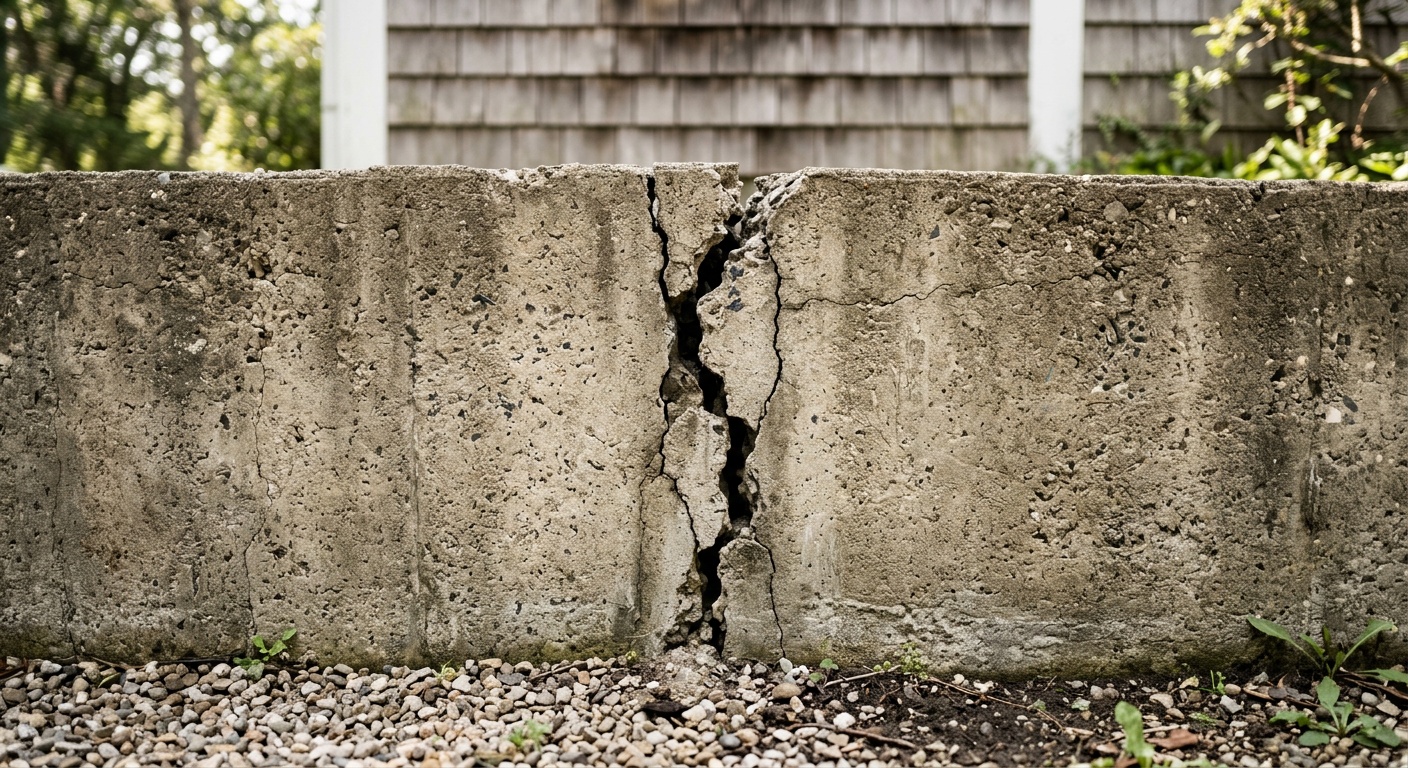
Foundation Issues First-Time Buyers Should Never Ignore
Reading time: 14 minutes
You’ve found the house. The kitchen is perfect, the backyard is everything you dreamed of, and the neighborhood checks every box. But then the home inspector mentions something about the foundation — and suddenly, your dream home feels a lot more complicated.
Here’s the straight talk: Foundation problems are the most expensive, most consequential, and most commonly overlooked issues first-time buyers encounter. In 2026, with median home prices in many U.S. markets still hovering above $400,000, walking into a purchase without understanding foundation health isn’t just risky — it’s potentially a six-figure mistake.
This guide is designed to help you navigate those murky waters with confidence. Whether you’re staring at a crack in a basement wall or deciphering a vague home inspection report, what you learn here could save you tens of thousands of dollars and years of stress.
Table of Contents
- Why Foundation Health Is the Most Critical Factor in Any Home Purchase
- The Warning Signs First-Time Buyers Most Frequently Miss
- Understanding Foundation Types and Their Vulnerabilities
- What Foundation Repairs Actually Cost in 2026
- Real Buyer Scenarios: Learning From Others’ Mistakes
- What To Do When You Find a Foundation Problem
- Frequently Asked Questions
- Your Foundation Buyer’s Checklist: Walk In With Eyes Wide Open
Why Foundation Health Is the Most Critical Factor in Any Home Purchase
When buyers think about costly home repairs, they often focus on roofs, HVAC systems, or electrical panels. These are legitimate concerns — but they pale in comparison to what a compromised foundation can do to a home’s structural integrity and your financial future.
According to a 2025 report by the National Association of Home Inspectors, approximately 25% of all U.S. homes show some form of foundation movement or distress. Of those, nearly 8% have issues serious enough to require immediate professional intervention. Yet first-time buyers, eager and emotionally invested, frequently minimize or entirely miss the signs during a walkthrough.
Why does the foundation matter above all else? Because every single element of the home — walls, floors, windows, doors, plumbing, and roofing — depends on a stable base. When that base shifts, cracks, or settles unevenly, the damage radiates upward like a slow-moving earthquake through the structure. Fixing the symptomatic damage (sticking doors, uneven floors, cracked drywall) without addressing the root cause is like putting a bandage on a broken bone.
“In my 22 years as a structural engineer, I’ve seen buyers negotiate tens of thousands off a purchase price for a leaking roof, then overlook a corner crack in the foundation that ended up costing twice as much. Foundation literacy is the single most valuable skill a buyer can develop.” — Dr. Rebecca Hartwell, Licensed Structural Engineer, Texas, 2025
In 2026, the stakes are even higher. Climate-driven soil shifts, more intense freeze-thaw cycles in northern states, and prolonged drought conditions in the Southwest are accelerating foundation stress across the country. Buyers in previously “safe” markets are now encountering foundation issues in homes that showed no signs a decade ago.
The Warning Signs First-Time Buyers Most Frequently Miss
Not all foundation problems announce themselves with dramatic, visible cracks. Many of the most serious issues are subtle, easy to rationalize away, or deliberately hidden by staging and cosmetic renovations. Here’s what to look for — room by room, inside and out.
Exterior Warning Signs
Start your evaluation before you even walk through the front door. A careful exterior walkthrough takes only a few minutes but reveals an enormous amount about foundation health.
- Diagonal cracks in brick or masonry: Stair-step cracks running diagonally through brick joints are a classic indicator of differential settlement — meaning one part of the foundation is sinking faster than another.
- Gaps between the chimney and the home’s exterior wall: Even a quarter-inch gap is significant. Chimneys are heavy and sit on their own footings; a separation usually signals the main foundation has moved.
- Bowing or leaning walls: Stand at the corner of the house and look down each wall. Any visible curve or lean, however slight, demands attention.
- Grading that slopes toward the home: Proper landscaping should direct water away from the foundation. If the yard slopes inward, water accumulates against the foundation — the leading cause of hydrostatic pressure damage.
- Gaps around windows and door frames: When foundations shift, frames go out of square. Look for visible daylight gaps or uneven reveals around exterior doors and windows.
Interior Warning Signs
Inside the home, train your eye to look beyond the décor. Fresh paint, new flooring, and carefully placed furniture are common ways sellers — sometimes unintentionally, sometimes deliberately — mask foundation symptoms.
- Doors and windows that stick or don’t latch properly: This is one of the most telling signs. When a foundation shifts, the frames it supports become racked — slightly out of square — causing friction and misalignment.
- Diagonal cracks in drywall, especially above door frames: These aren’t just cosmetic. Diagonal drywall cracks, particularly at corners of doorways and windows, directly mirror the stress lines in the underlying structure.
- Uneven or sloped floors: Bring a marble or a small level to every showing. Place it on the floor in multiple rooms. If it rolls steadily in one direction, the floor has a slope — and that slope needs explaining.
- Cracks in floor tiles: Cracked ceramic or porcelain tile, particularly in linear patterns, often indicates movement in the subfloor or slab beneath.
- Water stains or efflorescence in the basement: White, chalky mineral deposits on basement walls are called efflorescence. They form when water passes through concrete, leaching minerals to the surface. Even if the basement appears dry during your visit, efflorescence is proof that water has entered — and likely will again.
- Musty odors in basement or crawl spaces: Persistent musty smells indicate moisture intrusion. Long-term moisture is the precursor to both structural wood rot and foundation deterioration.
Understanding Foundation Types and Their Vulnerabilities
Not all foundations are created equal. The type of foundation under a home significantly affects what problems are most likely to develop and how severe they can become. First-time buyers rarely understand these distinctions — but they should.
Slab Foundations
Common in the South, Southwest, and Pacific regions of the U.S., slab foundations consist of a single, thick concrete pad poured directly on the ground. They’re cost-effective and efficient — but their vulnerabilities are specific.
Primary risks: Expansive clay soils are a slab foundation’s worst enemy. When clay absorbs water, it swells dramatically, pushing up on the slab. When it dries out, it contracts and leaves voids beneath the concrete. This cycle of heave and shrink creates stress fractures and uneven settling. In Texas, Oklahoma, and parts of California, this phenomenon — driven by increasingly extreme wet-dry weather cycles in 2026 — is responsible for tens of thousands of foundation claims annually.
What to look for: Cracks in the slab itself (visible in garages where flooring isn’t installed), doors throughout the home that stick or swing open on their own, and visible humps or depressions in the floor.
Basement Foundations
Prevalent in the Midwest and Northeast, basement foundations extend below the frost line and provide additional living or storage space. They’re generally robust but face their own category of threats.
Primary risks: Hydrostatic pressure — the weight of water-saturated soil pressing against basement walls — is the dominant concern. Over time, this pressure can cause basement walls to bow inward, crack horizontally, or leak. In 2025, FEMA reported that basement flooding affected over 1.2 million homes following heavy rainfall events across the Midwest alone.
What to look for: Horizontal cracks in block or poured concrete walls (more serious than vertical cracks), visible bowing when you sight down a wall, water stains at floor level, and rust stains below window wells.
Crawl Space Foundations
Common throughout the Southeast and Pacific Northwest, crawl space foundations elevate the home on short walls (piers or perimeter walls), leaving a shallow space beneath. They offer easier access to plumbing and electrical — but they’re notoriously prone to moisture issues.
Primary risks: Without proper vapor barriers and ventilation, crawl spaces trap moisture. This leads to wood rot in floor joists and beams, mold proliferation, and in severe cases, structural failure of the floor system. Pest infestations — particularly termites — are also disproportionately common in crawl spaces, compounding structural risk.
What to look for: Sagging floors above the crawl space, musty odors, visible wood deterioration or pest damage if you’re able to inspect the space, and standing water or excessive condensation on vapor barriers.
What Foundation Repairs Actually Cost in 2026
Let’s get specific. One of the most dangerous mindsets a first-time buyer can have is underestimating foundation repair costs. “It doesn’t look that bad” is a phrase that has cost buyers — and sellers — fortunes.
| Repair Type | Typical Cost Range (2026) | Severity Level | DIY Feasibility |
|---|---|---|---|
| Minor crack sealing (hairline cracks) | $300 – $800 | Low | Yes (with proper materials) |
| Basement waterproofing (interior drainage) | $5,000 – $15,000 | Moderate | No |
| Foundation underpinning (pier installation) | $10,000 – $40,000+ | High | No |
| Slab leveling (mudjacking or foam injection) | $1,500 – $8,000 | Moderate | No |
| Full foundation replacement | $40,000 – $150,000+ | Severe | No |
These numbers reflect 2026 labor and materials costs, which have risen approximately 18% since 2023 due to persistent construction workforce shortages and elevated material prices. Never rely on a verbal estimate from a foundation repair company without a written, itemized quote — and always get at least three competing bids.
The Cost of Doing Nothing
Here’s what many buyers don’t consider: foundation problems don’t stay static. A moderate issue left unaddressed for 12–18 months often escalates into a severe one. The $8,000 slab leveling job you deferred becomes a $35,000 underpinning project. The basement wall showing early signs of bowing that you dismissed turns into a catastrophic collapse requiring full reconstruction.
Beyond the repair costs themselves, unresolved foundation issues have severe downstream consequences:
- Resale value impact: Homes with known, unrepaired foundation issues typically sell at 10–30% below comparable properties in 2026 markets.
- Insurance complications: Most standard homeowners’ insurance policies explicitly exclude foundation damage caused by settling or soil movement. If you buy a home with a pre-existing foundation problem, you’re accepting that liability entirely.
- Mortgage and appraisal complications: FHA and VA loans require that homes meet minimum property standards. Significant foundation defects can cause appraisals to fail, derailing financing entirely.
Real Buyer Scenarios: Learning From Others’ Mistakes
Case Study 1: The “Cosmetic Crack” That Wasn’t Cosmetic
In early 2025, Marcus and Diana, first-time buyers in the Dallas-Fort Worth area, fell in love with a 1987 ranch-style home listed at $385,000. During their walkthrough, they noticed diagonal cracks running from the corners of several window frames. The seller’s agent described them as “normal settling cracks — purely cosmetic, common in this area.”
Their general home inspector flagged the cracks as “potentially significant” and recommended a structural engineer evaluation. Under time pressure in a competitive market, Marcus and Diana skipped the specialist report to speed up their closing timeline, reasoning that they’d “deal with it later.”
Within eight months of closing, the cracks had widened noticeably, two interior doors no longer closed properly, and a structural engineer they finally hired confirmed that the home’s post-tensioned slab had failed in two locations due to expansive soil movement. The repair estimate: $47,000. Their home purchase budget had already been stretched to its limit, and they were forced to take out a high-interest personal loan to cover the work.
The lesson: Never skip a structural engineering consultation when a home inspector flags potential foundation concerns. The $400–$700 specialist evaluation fee is the cheapest insurance you’ll ever buy.
Case Study 2: Turning Foundation Issues Into Negotiating Power
Contrast that story with Priya’s experience in Columbus, Ohio, in late 2025. She identified a 1965 colonial priced at $310,000 that showed clear signs of basement wall bowing — visible to her because she’d read about foundation warning signs before her search. Rather than walking away or panicking, she took a methodical approach.
She hired a structural engineer before making an offer. The engineer confirmed that the bowed wall needed carbon fiber reinforcement straps — a straightforward, well-understood repair — estimated at $9,500. Armed with a written report and contractor quotes, Priya negotiated a $15,000 price reduction and a seller-paid repair credit. She closed at $295,000 with the repair completed prior to her move-in date.
The lesson: Foundation issues, properly understood and documented, aren’t always deal-breakers — they can be leverage. Knowledge transforms a potential disaster into a negotiating advantage.
What To Do When You Find a Foundation Problem
Discovering a potential foundation issue during your home search doesn’t mean you walk away. It means you follow a disciplined process. Here’s your practical roadmap.
Step 1: Don’t Panic — But Don’t Dismiss Either
Not every crack signals catastrophe. Hairline cracks in poured concrete are common and often benign. Horizontal cracks in block walls are not. Your first goal is simply to gather facts, not to form conclusions based on appearance alone.
Step 2: Request Full Disclosure Documentation
In 2026, all 50 states require sellers to disclose known material defects, though the specifics of what must be disclosed vary by state. Request any previous foundation repair warranties, structural engineering reports, or contractor invoices. These documents tell you the history — and whether disclosed repairs were actually completed properly.
Step 3: Hire a Licensed Structural Engineer — Not Just a Home Inspector
This distinction is critical and widely misunderstood. Home inspectors are generalists. They provide valuable overview assessments, but they are not qualified to diagnose the severity of structural issues or prescribe specific repairs. A licensed structural engineer (P.E.) holds advanced credentials specifically in structural analysis and is the only professional qualified to make these determinations.
Typical cost in 2026: $400–$900 for a residential foundation evaluation with a written report. Worth every dollar.
Step 4: Obtain Multiple Repair Bids
Foundation repair is a specialized industry with significant variation in pricing, methodology, and quality. Get at least three written bids from licensed foundation contractors. Beware of companies that pressure you with one-day-only pricing or that propose dramatically more extensive work than the structural engineer recommended.
Step 5: Use Findings to Negotiate
Once you have documented repair costs, you have options: request a price reduction equivalent to the repair cost, request a seller credit at closing, ask the seller to complete repairs before closing with verification by your engineer, or walk away entirely if the scope is beyond reasonable negotiation. Your contract inspection contingency period exists precisely to protect you in this scenario. Use it.
Foundation Issue Prevalence by Region (2026 Data)
82%
61%
47%
38%
29%
% of homes inspected showing measurable foundation distress. Source: Structural Engineering Industry Association, 2025 Annual Report.
Frequently Asked Questions
Is it ever safe to buy a home with known foundation problems?
Yes — but only with full information, documented repair plans, and appropriate financial adjustments. Many foundation issues, particularly those involving drainage correction, minor crack injection, or carbon fiber wall stabilization, are well-understood repairs with predictable outcomes. The key is ensuring you know exactly what you’re buying into. A structural engineer’s written report, combined with contractor bids and a negotiated price adjustment, can make a home with repaired or repairable foundation issues a perfectly sound purchase. What’s never safe is buying a home with unknown foundation problems — issues that were present but undisclosed or uninspected.
How do I know if foundation cracks are serious or just cosmetic?
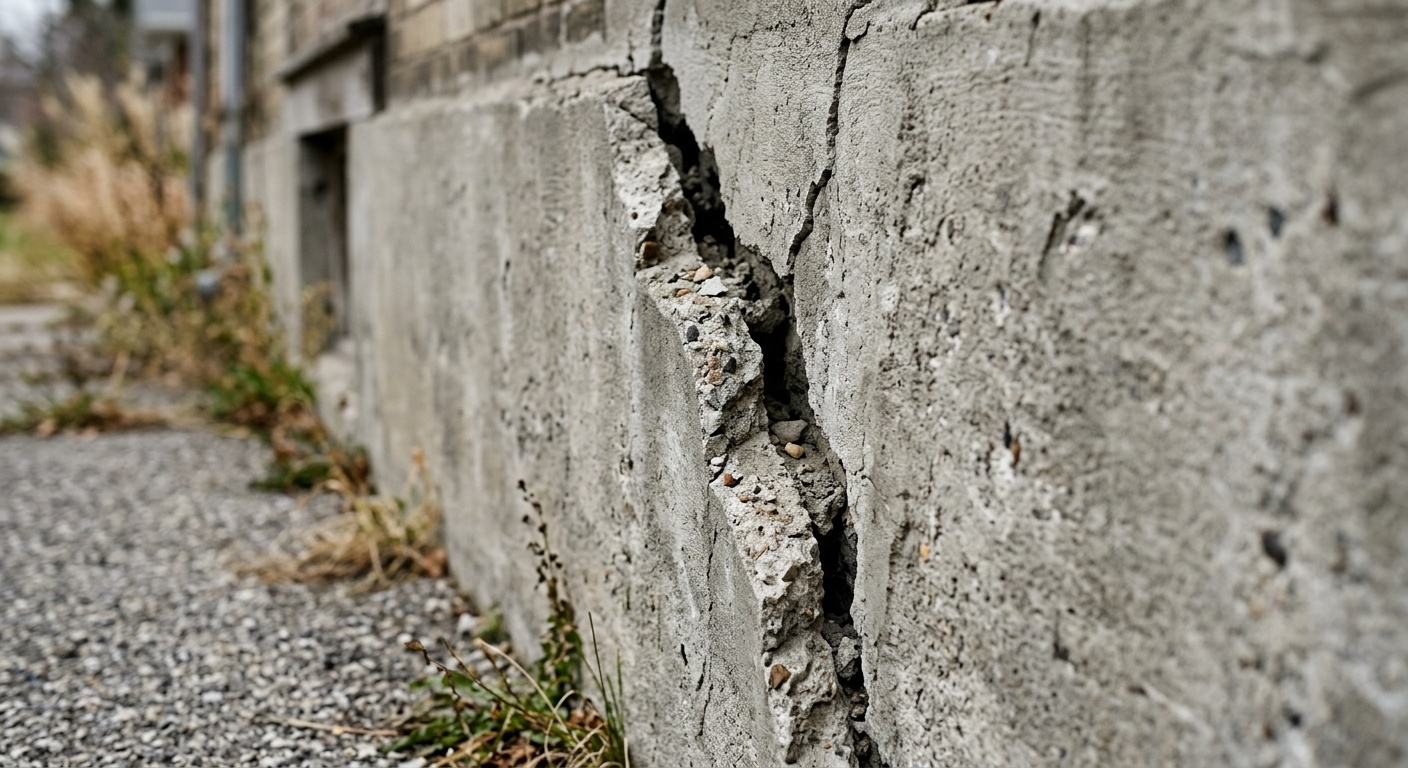
The location, direction, and width of a crack all matter. As a general rule: vertical hairline cracks in poured concrete walls are typically the result of normal curing and shrinkage — usually benign. Diagonal cracks radiating from corners of windows and doors suggest differential settlement and deserve professional evaluation. Horizontal cracks in basement walls are the most serious category, indicating lateral soil pressure and potential wall failure. Any crack wider than 1/4 inch, any crack that is actively growing, or any crack that allows water intrusion should be evaluated by a structural engineer regardless of its orientation.
Does homeowners insurance cover foundation repair costs?
In most cases, no. Standard homeowners insurance policies in 2026 explicitly exclude damage caused by settling, shrinkage, expansion, or movement of the earth — all of which are the primary causes of foundation problems. There are narrow exceptions: if a foundation is damaged by a sudden, accidental event such as an explosion, vehicle impact, or in some policies, sudden pipe rupture, coverage may apply. Some specialized earth movement riders exist but are expensive and geographically limited. The practical implication for buyers is clear: you cannot rely on insurance as a safety net for foundation repair costs. Due diligence before purchase is your only real protection.
Your Foundation Buyer’s Checklist: Walk In With Eyes Wide Open
You’ve now got the knowledge that most first-time buyers never bother to acquire. Use it. Here’s your practical, immediate-action checklist for every home you seriously consider:
- Before every showing: Research the soil type and typical foundation concerns in that specific ZIP code. Your state’s geological survey website and local extension services publish this data for free.
- During the walkthrough: Bring a small level and a notepad. Test doors, check floor slopes, look for diagonal drywall cracks, and inspect the basement or crawl space personally — don’t just glance through a door.
- In your offer: Include a robust inspection contingency with explicit language covering the right to conduct a structural engineering evaluation. Do not waive this, regardless of market pressure.
- After the general inspection: If there is any concern — even mild — hire a structural engineer before your contingency deadline expires.
- Before closing: If repairs were agreed upon as part of negotiation, require a final walkthrough verification by your structural engineer, not just a contractor sign-off.
In an era of climate-accelerated soil movement, aging housing stock, and high-stakes real estate transactions, foundation literacy isn’t optional for informed buyers — it’s essential. The buyers who thrive in 2026’s housing market are the ones who combine enthusiasm with expertise, who know what questions to ask and refuse to be rushed past the answers that matter most.
The house of your dreams should be built on something solid. Make sure it is.
As you prepare for your next showing, ask yourself this: If you knew a foundation problem was hiding in the home you’re about to tour, would you have the knowledge to find it? After reading this guide, the answer should be yes — and that single advantage might be the most valuable thing you bring to your home search.