Matthew Thorne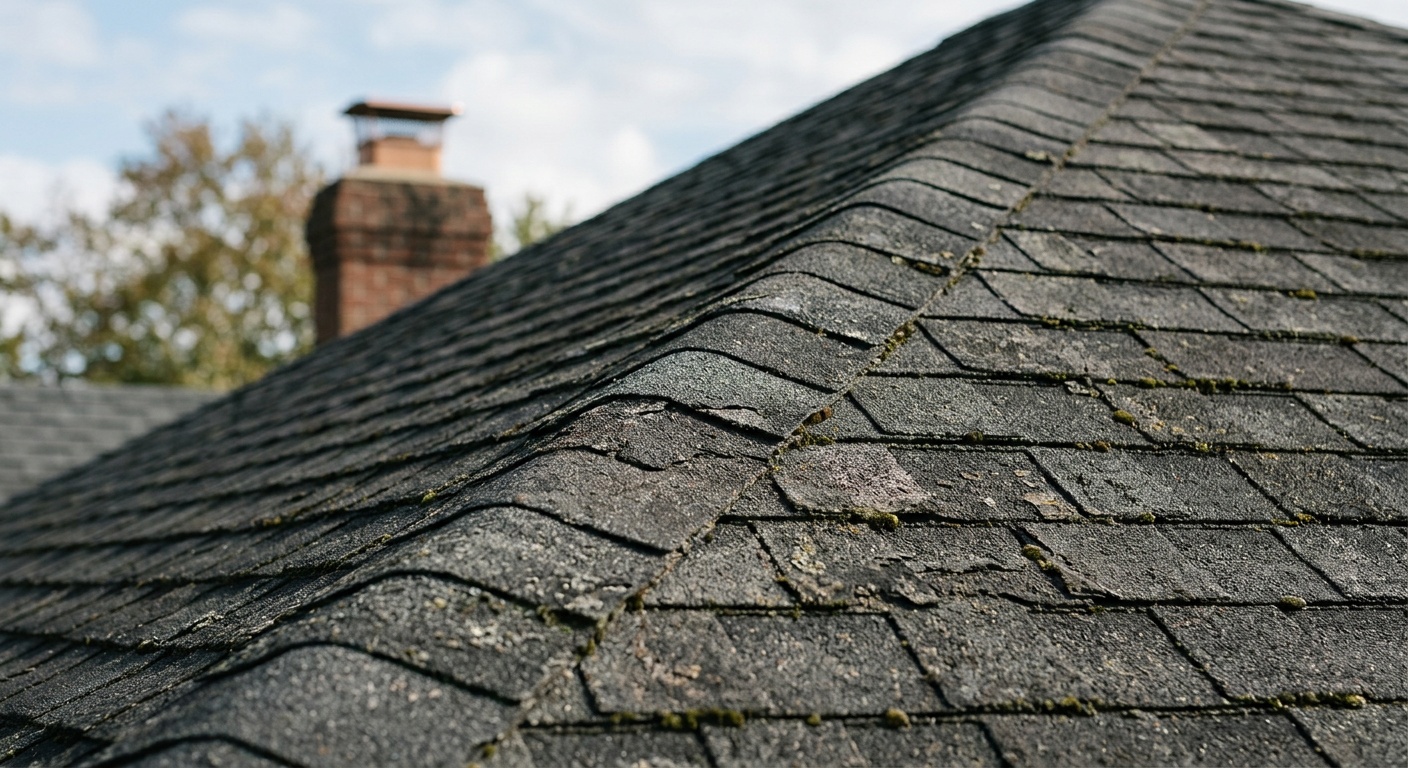
Roof Age and Condition: What Buyers Need to Know Before Closing
Reading time: 14 minutes
Here’s a scenario that plays out every week across real estate markets in 2026: A buyer falls in love with a home, rushes through due diligence, closes the deal — and then receives a $22,000 roofing estimate three months later. Sound familiar? You’re not alone. Roof-related surprises remain one of the most expensive and emotionally draining post-closing discoveries in residential real estate.
Whether you’re a first-time buyer navigating your first home inspection or a seasoned investor eyeing your fifth flip, understanding a roof’s age and condition before you sign on the dotted line isn’t just smart — it’s financially essential. This guide cuts through the noise and gives you the precise knowledge you need to protect one of the biggest investments of your life.
Table of Contents
- Why Roof Age and Condition Matter More Than Ever in 2026
- Roof Lifespan by Material: What the Numbers Really Say
- Reading the Red Flags: Warning Signs Every Buyer Should Know
- The Roof Inspection Process: What Happens and What to Ask
- Negotiating With Roof Condition: Real Strategies That Work
- Case Studies: Three Buyers, Three Very Different Outcomes
- Roof Material Longevity: A Quick Visual Comparison
- Comparative Table: Roof Types at a Glance
- FAQs
- Your Roof Due Diligence Roadmap: Close With Confidence
Why Roof Age and Condition Matter More Than Ever in 2026
In 2025, roofing material costs climbed an average of 9.4% year-over-year, driven by persistent supply chain disruptions, elevated labor rates, and increasing demand from storm-damaged housing stock across the Sun Belt and Midwest. By early 2026, a full asphalt shingle replacement on a standard 2,000-square-foot home now runs between $18,000 and $35,000 depending on your region, roof pitch, and material choice. That’s not a minor repair — that’s a car payment you didn’t budget for.
Meanwhile, lenders are getting stricter. Many mortgage underwriters in 2026 now require proof of roof condition — or even require a new roof — if an appraisal flags the existing one as having fewer than two years of remaining useful life. FHA and VA loans in particular have explicit standards around roof condition, and a failing roof can literally kill a deal at the eleventh hour.
Beyond the financial stakes, a compromised roof affects everything beneath it: insulation, attic framing, drywall ceilings, electrical systems, and even foundation integrity in severe cases. Think of the roof as your home’s immune system. When it fails, the entire structure becomes vulnerable.
“In 2026, we’re seeing roof-related contingencies and renegotiations on approximately 1 in 4 transactions in storm-prone markets. Buyers who don’t educate themselves ahead of time consistently end up in the weakest negotiating positions.” — Marcus Delgado, Certified Master Inspector, National Association of Home Inspectors
The Insurance Dimension You Can’t Ignore
Here’s a layer many buyers overlook entirely: homeowners insurance. In 2026, major insurers in states like Florida, Texas, Colorado, and Louisiana have begun denying coverage — or offering only Actual Cash Value (ACV) policies rather than Replacement Cost Value (RCV) policies — on homes with roofs older than 15 years. An ACV policy means that if your 18-year-old asphalt roof is damaged in a hailstorm, the insurer pays you its depreciated value, not the cost to replace it. That gap can be staggering.
Some buyers have arrived at closing only to discover their desired insurer will not write a policy on the home until the roof is replaced. This is not a hypothetical — it’s a trend accelerating in 2026, particularly in hail corridors and hurricane-prone zones. Before you even schedule a showing, it’s worth calling your insurance agent and asking: “At what roof age would you refuse to write a standard replacement cost policy on this property?” The answer might reframe your entire search.
Roof Lifespan by Material: What the Numbers Really Say
Not all roofs age equally. The material, installation quality, ventilation, climate exposure, and maintenance history all interact to determine how long a roof truly lasts. Here’s the practical breakdown every buyer needs in their mental toolkit.
Asphalt Shingles: The Market Standard
Asphalt shingles cover roughly 75% of American homes, making them by far the most common material you’ll encounter. Standard 3-tab asphalt shingles carry a manufacturer’s lifespan of 15–20 years, while architectural (dimensional) shingles are rated for 25–30 years. Here’s the catch: real-world performance often falls short of marketing claims, especially in climates with extreme temperature swings, high UV exposure, or frequent hail.
In practice, a well-maintained architectural shingle roof in a mild climate might genuinely reach 28 years. That same roof installed in Phoenix, Arizona or Denver, Colorado — where UV radiation and thermal cycling are brutal — may show significant degradation by year 18 to 20. Always ask for the installation date and the specific product installed. A 22-year-old 3-tab roof in Memphis has very different remaining value than a 22-year-old premium architectural shingle in Seattle.
Metal Roofing: Long-Term Value, Higher Upfront Cost
Standing seam metal and metal tile roofs have a well-earned reputation for durability. Properly installed metal roofing can last 40–70 years, and some painted steel systems come with 40-year warranty coverage. In 2026, metal roofing has become increasingly popular in wildfire-prone areas of California and the Pacific Northwest due to its superior fire resistance ratings.
For buyers, discovering a home has a metal roof — even one that’s 20 years old — is generally excellent news. Inspect for fastener corrosion, paint fade, and panel sealant integrity, but don’t panic about replacement timelines the way you might with aging asphalt.
Tile Roofing (Clay and Concrete)
Clay tile roofs are common in the Southwest and Southeast, and they’re remarkably durable — often lasting 50+ years. Concrete tiles typically last 30–50 years. However, there’s a critical distinction: while the tiles themselves last for decades, the underlayment beneath them typically needs replacement every 20–30 years. A buyer seeing a “30-year-old tile roof” may not need new tiles, but may be facing a significant underlayment replacement job that still runs $8,000–$18,000. Don’t conflate tile condition with overall roof system health.
Wood Shake and Shingles
Wood shake roofs last approximately 20–30 years with proper maintenance, including regular cleaning to prevent moss, algae, and rot. By 2026, many insurers are adding surcharges — or exclusions — for wood shake roofs due to fire risk. Buyers in fire-prone regions should check local building codes too; some California jurisdictions now require wood shake replacement with fire-rated materials when more than 25% of the surface is disturbed.
Reading the Red Flags: Warning Signs Every Buyer Should Know
You don’t need to be a roofer to spot serious trouble. Training your eye on a few key indicators during every walkthrough and inspection can save you tens of thousands of dollars. Here’s your practical checklist.
Exterior Warning Signs
- Granule loss on asphalt shingles: If you notice the gutters are filled with gritty, sand-like granules, or if the shingles appear smooth and shiny in patches, the protective surface coating is gone. Granule loss accelerates UV degradation dramatically.
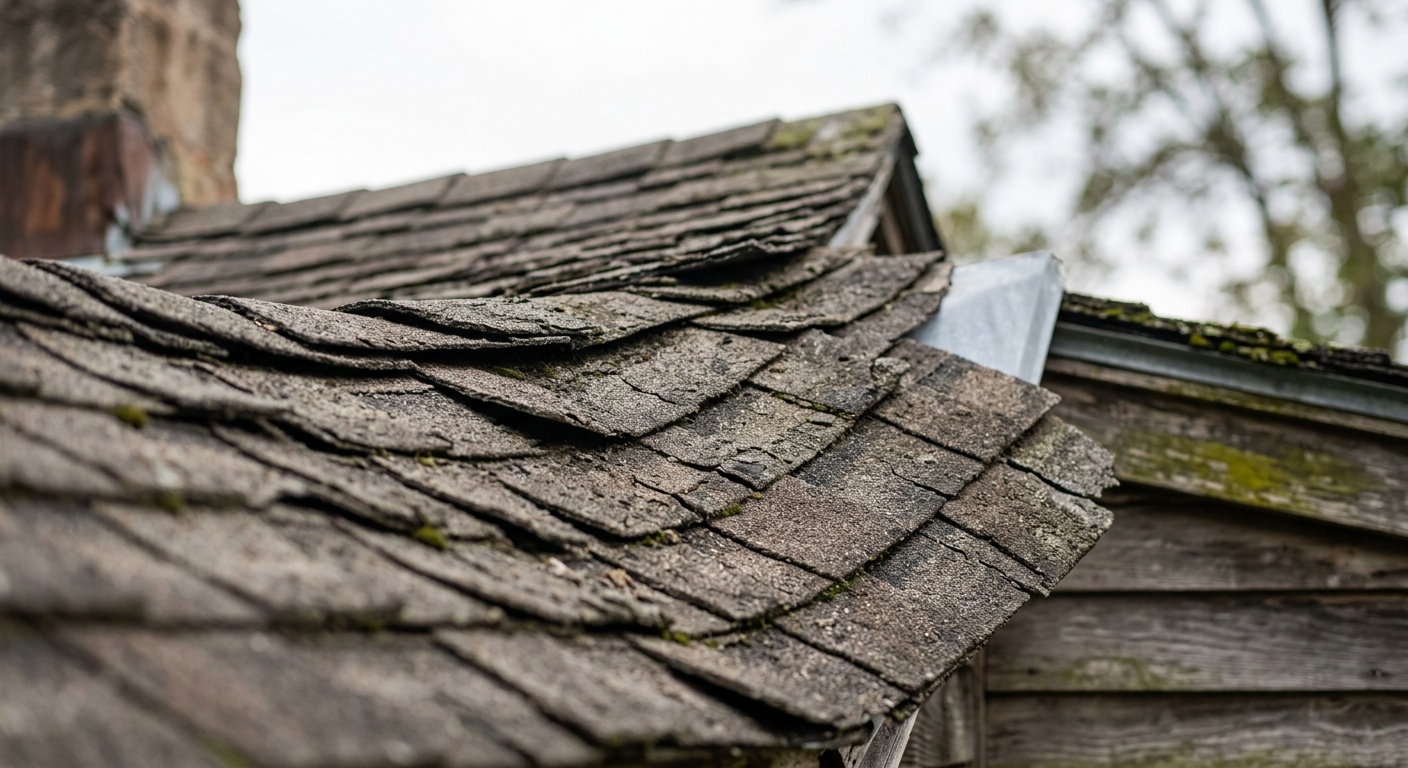
- Curling, cupping, or buckling shingles: Shingles that are visibly warping upward at the edges (cupping) or curling down (clawing) signal moisture damage, age, or improper ventilation.
- Missing shingles: Even one or two missing shingles expose the underlayment and decking to water infiltration. Multiple missing shingles suggest the adhesive seal strips have failed — a systemic problem.
- Visible moss or algae streaking: Dark streaks (typically blue-green algae) or green moss growth trap moisture and accelerate shingle decay. Moss is especially damaging because its root systems physically lift shingles.
- Sagging or uneven roofline: This is a serious red flag. A sagging roof suggests structural compromise — potentially rotted decking, failed rafters, or even foundation settlement issues. Do not minimize this.
- Flashing condition: The metal strips around chimneys, skylights, vents, and roof valleys are critical leak points. Cracked caulk, rust, or improper overlaps at flashings are among the most common sources of interior water damage.
Interior Warning Signs
- Water stains on ceilings or upper walls: Yellow or brown rings, especially near exterior walls or around light fixtures, frequently trace back to roof penetration failures.
- Attic inspection findings: A good inspector will enter the attic and look for daylight penetrating through the roof deck, dark staining on rafters (indicating past or active moisture), and evidence of mold or wood rot.
- Inadequate ventilation: A poorly ventilated attic bakes the shingles from below in summer and creates ice dams in winter. Check for sufficient ridge venting and soffit intake venting.
The Roof Inspection Process: What Happens and What to Ask
A standard home inspection includes a visual assessment of the roof, but the depth of that assessment varies significantly by inspector. In 2026, many inspectors use drone technology to capture high-resolution imagery of roof surfaces, particularly on steep-pitched or multi-story homes where walking the roof safely isn’t feasible. This is generally a positive development — drone footage gives both the inspector and buyer documentary evidence of conditions at the time of sale.
However, a standard home inspector is not a licensed roofing contractor. Their assessment identifies visible concerns and estimates remaining life, but it doesn’t constitute a professional roofing bid or warranty. For any home where the roof is over 15 years old, or where the inspection flags concerns, you should request a separate, dedicated roofing contractor inspection as part of your due diligence period.
Questions Every Smart Buyer Should Ask
- What is the documented installation date, and can the seller provide the manufacturer’s warranty and any transferable coverage?
- Has the roof been repaired or had sections replaced? (Layered repairs can mask underlying systemic issues.)
- How many layers of shingles are currently on the roof? Most building codes permit a maximum of two layers — a home with two layers already cannot simply have new shingles laid on top; it requires a full tear-off, adding significant cost.
- Has the home ever had a hail or wind insurance claim for roof damage? Request disclosure of any closed insurance claims — unrepaired damage or improperly repaired damage post-claim is a real risk.
- What is the attic insulation and ventilation setup? Poor ventilation dramatically shortens shingle life.
Pro Tip: In most states, sellers are legally required to disclose known material defects, including known roof leaks or damage. But “known” is the operative word. Getting your own independent inspection is the only way to protect yourself from conditions the seller may claim ignorance of.
Negotiating With Roof Condition: Real Strategies That Work
Discovering roof issues doesn’t have to kill your deal — but it does require strategic negotiation. Here are the most effective approaches being used successfully in the 2026 market.
Strategy 1: Request a Seller Credit at Closing
Rather than asking the seller to replace the roof (which creates logistical headaches and disputes over contractor choice), negotiate a seller concession or credit applied to your closing costs or purchase price. This gives you control over contractor selection and timeline. Get two or three roofing bids during your inspection period, use the average as your negotiation anchor, and request credit for that amount.
Strategy 2: Require Replacement as a Condition of Sale
In cases where lender requirements mandate roof replacement (common with FHA/VA financing), or where the insurance situation is dire, requiring seller-funded replacement before closing may be the only viable path. If you go this route, specify in writing the minimum material quality and require a lien waiver from the roofing contractor before close.
Strategy 3: Price Adjustment
If the roof is aging but functional — say, 18 years old with no active leaks and 3–5 years of reasonable life remaining — negotiate a price reduction that reflects the near-term replacement liability you’re assuming. Use roofing contractor estimates to support your position with hard numbers, not guesswork.
Strategy 4: Walk Away
Sometimes the right answer is to exercise your inspection contingency and walk. If the seller refuses reasonable accommodation on a roof that an independent contractor estimates has failed or has fewer than two years of remaining life, and the deal math doesn’t support absorbing a $25,000+ replacement cost, protecting your contingency deposit and moving on is a legitimate and sometimes necessary decision.
Case Studies: Three Buyers, Three Very Different Outcomes
Case Study 1: The Prepared Buyer in Denver
In spring 2025, Priya and James purchased a 1998-built home in the Denver suburbs. Their home inspector noted the original 3-tab asphalt shingle roof and estimated 2–4 years of remaining life. Rather than accepting the seller’s verbal assurance that “the roof is fine,” they hired a licensed roofing contractor for a $250 dedicated inspection. The contractor confirmed the assessment and identified two areas of compromised flashing around a chimney — an active water intrusion point that had stained the master bedroom ceiling but had been freshly painted over.
Armed with a written contractor estimate of $21,400 for a full tear-off and replacement, they negotiated a $19,500 seller credit at closing. They replaced the roof immediately after closing with the contractor of their choosing, selecting upgraded impact-resistant shingles that earned them a 20% homeowners insurance discount. Total net outcome: a new Class 4 impact-resistant roof, insurance savings, and complete peace of mind — all funded by their negotiated credit.
Case Study 2: The Buyer Who Skipped the Extra Inspection
In contrast, consider Marcus, who purchased a charming 1992 Craftsman bungalow in Nashville in early 2025. The standard home inspection noted the roof was “near end of useful life” but Marcus was emotionally committed to the home and felt the $500 credit the seller offered was “close enough.” Seven months after closing, a moderate rainstorm revealed three separate leak points in the living room and hallway. A roofing contractor quoted $24,000 for replacement — plus $6,800 for drywall repair, mold remediation, and painting. Total unexpected cost: approximately $30,800. The $500 closing credit looks very different in retrospect.
Case Study 3: A Metal Roof That Changed the Calculus
Elena was shopping for investment properties in Phoenix in 2026 when she found a 1998-built home that appeared to need significant work. But the roof — a standing seam metal system installed in 2004 — changed her evaluation entirely. At 22 years old, a quality metal roof in Phoenix likely has another 20–30 years of remaining life. Rather than treating the roof as a liability, Elena factored it as a premium asset, recognized the seller hadn’t priced for it, and made a confident offer. Her insurance agent confirmed a preferred rate thanks to the fire-resistant metal roof. The deal penciled out beautifully.
Roof Material Longevity: A Visual Comparison
Average Roof Lifespan by Material (Years)
15–20 years
25–30 years
20–30 years
30–50+ years
40–70 years
*Actual lifespan varies based on climate, installation quality, and maintenance. Data reflects industry averages as of 2026.
Comparative Table: Roof Types at a Glance
| Roof Type | Avg. Lifespan | 2026 Replacement Cost (2,000 sq ft) | Insurance Favorability | Key Buyer Watch-Out |
|---|---|---|---|---|
| 3-Tab Asphalt | 15–20 yrs | $12,000–$20,000 | Moderate (age-sensitive) | Nearing EOL on many 2005–2010 homes |
| Architectural Asphalt | 25–30 yrs | $18,000–$30,000 | Good | Verify exact product; warranties vary widely |
| Metal (Standing Seam) | 40–70 yrs | $30,000–$60,000 | Excellent (discounts common) | Check fastener and sealant condition |
| Clay/Concrete Tile | 30–50+ yrs | $20,000–$45,000 | Good to Excellent | Underlayment age independent of tile age |
| Wood Shake | 20–30 yrs | $18,000–$35,000 | Poor in fire-prone areas | Insurance availability increasingly limited |
Common Challenges and How to Overcome Them
Challenge 1: Sellers Who Minimize or Obscure Roof Issues
It’s not uncommon for sellers — particularly those who have owned a home for decades — to genuinely not know the roof’s exact installation date or condition history. Others, frankly, know and hope a fresh coat of sealant or some cosmetic touch-ups will survive inspection. Your defense is independent verification. Never rely solely on seller disclosure documents for something as consequential as roof condition. Hire your own inspector, request permit records from the local building department (re-roofing often requires a permit in most jurisdictions), and ask neighbors if you can — longtime neighbors often remember major roofing work. In 2026, many counties have digitized permit records accessible online; a 10-minute search can confirm whether a permit was pulled for a roof replacement and when.
Challenge 2: Timing and Deadline Pressure During Inspection Periods
In competitive markets, inspection periods are often compressed — sometimes as short as five to seven days. Scheduling a standard home inspection and a dedicated roofing contractor inspection within that window requires advance planning. The moment your offer is accepted, call both your home inspector and two or three roofing contractors simultaneously. Explain you’re in a tight inspection window and need prioritized scheduling. Many contractors in 2026 now offer dedicated “buyer inspection” services — a brief but documented site visit specifically designed for pre-purchase evaluation — often priced between $150 and $350. That’s an outstanding return on investment.
Challenge 3: Interpreting “Remaining Life” Estimates
Inspectors and contractors frequently offer “estimated remaining life” figures for roofs, and buyers often treat these as precise forecasts. They’re not. A statement like “3–5 years of remaining life” is a professional judgment based on visible conditions — it’s not a guarantee. Weather events (one significant hail storm can effectively end the useful life of an aging asphalt roof overnight), maintenance habits, and installation quality all affect actual longevity. Use remaining life estimates as directional guidance for negotiation, not as a firm timeline you can bank on. Budget for the possibility that “3–5 years” becomes “18 months” after an unexpected storm.
Frequently Asked Questions
How do I find out how old a roof is if the seller doesn’t know?
Start with the local building department — most jurisdictions require a permit for a full roof replacement, and permit records are increasingly searchable online as of 2026. You can also ask your home inspector to look for manufacturer date codes on shingles (some manufacturers stamp batch dates on individual shingles or packaging staples left in attics). Real estate listing history and prior appraisal reports sometimes mention roof replacements. Insurance claim records — which sellers can often request from their insurer — may also document when roof work was completed following storm damage. If all else fails, an experienced roofing contractor can often approximate installation age within a few years based on material type, granule condition, and underlayment characteristics.
Does a home warranty cover roof replacement?
Standard home warranties sold at closing typically offer limited roof coverage — and that coverage is frequently for repairs to leaks rather than full replacement. Most home warranty contracts explicitly exclude pre-existing conditions, meaning any roof issue present at the time of purchase won’t be covered. In 2026, a handful of premium warranty providers offer roof replacement coverage as an add-on rider (typically adding $300–$600 annually to the policy cost), but these products come with meaningful exclusions around roof age, material type, and cosmetic damage. Read the fine print carefully. A home warranty should never be your primary protection strategy for a roof that an inspector has flagged as aging or compromised.
Can I get a mortgage on a home with a failing roof?
It depends on the loan type. Conventional loans (Fannie Mae/Freddie Mac guidelines) give appraisers some discretion — if the roof has a remaining useful life of at least two years and isn’t actively leaking, many conventional loans can proceed, sometimes with a repair escrow holdback. FHA and VA loans are stricter: FHA Minimum Property Standards require that the roof be in a condition that prevents moisture entry and provides reasonable future utility, and VA appraisers are similarly directive. In practice, a roof that an appraiser flags as failed or functionally inadequate will likely require resolution before the loan can close. USDA Rural Development loans follow similar standards to FHA. If you’re purchasing with government-backed financing, roof condition isn’t just a negotiating point — it’s potentially a loan-approval prerequisite.
Your Roof Due Diligence Roadmap: Close With Confidence
You now have the framework to approach roof evaluation like a professional. Let’s consolidate that into an action plan you can execute on your very next transaction.
- Step 1 — Pre-Offer Research: Before you write an offer, look up the property’s permit history online. Note the year the home was built and estimate the likely roof age. Call your insurance agent and confirm insurability parameters. This takes 20 minutes and shapes your offer strategy immediately.
- Step 2 — Inspection Period, Day One: The moment your offer is accepted, book both your home inspector and a dedicated roofing contractor. Don’t wait. Prioritize getting on calendars while your inspection window is still fully open.
- Step 3 — Document Everything: Ensure your inspector provides photographs of all roof conditions noted, especially granule loss, flashing issues, and attic moisture indicators. Request that the roofing contractor provide a written estimate — this becomes your negotiation currency.
- Step 4 — Negotiate From Data, Not Emotion: Use contractor estimates — not guesses or fears — to anchor your credit request or price adjustment. Present specific numbers. Sellers respond far more productively to documented roofing bids than to vague “I’m worried about the roof” requests.
- Step 5 — Plan for Your Post-Closing Roof Strategy: Even if you negotiate a credit, understand the timeline and scope of work needed. Get contractor availability confirmed before closing. In many markets in 2026, quality roofing contractors are booking 4–8 weeks out. Plan accordingly so you’re not living under a compromised roof longer than necessary.
The broader real estate landscape in 2026 rewards informed, data-driven buyers. With climate volatility increasing replacement frequency and insurance markets tightening in storm-exposed regions, roof condition is becoming a more pivotal transaction variable — not less. The buyers who thrive are those who treat the roof as a core financial asset, not an afterthought.
Here’s the question worth sitting with: If you discovered tomorrow that the home you’re under contract on needs a $28,000 roof in the next 18 months, would your current due diligence process have told you that — or would you have found out the hard way? If the answer isn’t a confident “yes,” now is the time to close the gap. Your future self — and your bank account — will thank you.