Matthew Thorne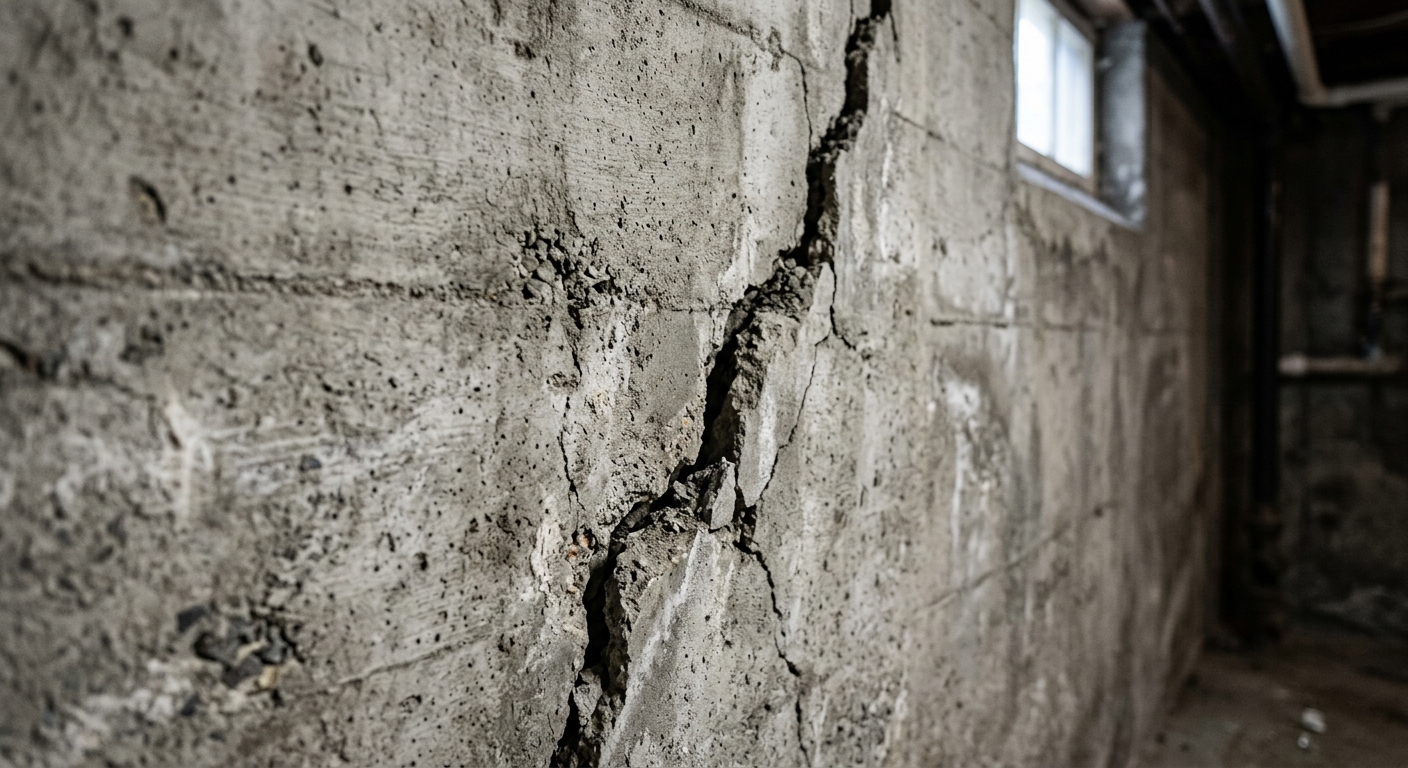
Hidden Costs First-Time Homeowners Discover After Moving In
Reading time: 12 minutes
You did it. You signed the papers, got the keys, and finally crossed the threshold into your very own home. The champagne has been popped, the moving boxes are (mostly) unpacked — and then the bills start arriving. Not just the mortgage. The other bills. The ones nobody warned you about at the closing table.
Here’s the straight talk: The purchase price of a home is only the beginning of your financial story as a homeowner. In 2026, with housing markets stabilizing after years of volatility and inflation reshaping the cost of everything from lumber to labor, first-time buyers are getting hit harder than ever by the expenses that lurk beneath the surface of homeownership.
According to a 2025 Bankrate survey, 64% of first-time homeowners reported being caught off guard by costs they didn’t anticipate in their first year. The average annual hidden cost burden for new homeowners in the U.S. sits at roughly $15,400 per year — well beyond what most buyers budget for. That’s not a rounding error. That’s a financial earthquake.
This guide is your roadmap through the financial surprises waiting on the other side of your front door — and how to prepare for them strategically before they drain your savings account.
Table of Contents
- Property Taxes: The Bill That Grows
- The Maintenance Money Pit
- Utility Shock: More Space, More Cost
- Insurance Gaps Nobody Talks About
- HOA Fees and Special Assessments
- Cost Comparison: What New Homeowners Underestimate Most
- Real Stories: Learning from Others’ Surprises
- Frequently Asked Questions
- Your Financial Defense Roadmap
Property Taxes: The Bill That Grows Whether You’re Ready or Not
Property taxes are the slow-moving financial tide that many first-time buyers completely miscalculate. You may have been told your estimated annual property tax during the mortgage process — but that number can and does change, often dramatically, within your first few years of ownership.
Why Your Tax Bill Is Probably Higher Than You Think
Here’s something that catches buyers completely off guard: in many counties across the U.S., property values are reassessed after a home sale. This means the previous owner may have been paying taxes based on a valuation from 2009, while your tax bill will be recalculated based on what you just paid in 2025 or 2026. In states like California, Texas, and Florida, this reassessment can trigger a tax increase of 30% to 80% or more in a single year.
Consider the example of a couple in Austin, Texas who purchased their home in late 2025 for $485,000. The previous owner had been paying approximately $6,200 annually in property taxes based on a 2018 assessed value. After reassessment, the new owners faced a bill of nearly $10,900 for the first full year — an increase of $4,700 they hadn’t budgeted for at all.
Pro Tip: Before closing, ask your real estate agent for the most recent assessed value of the property, not just the current tax bill. Research your county’s reassessment policy. And always budget for property taxes to be at least 15–20% higher than what the current owner is paying.
Escrow Shortfalls: When Your Lender Catches You Off Guard
Most buyers with conventional mortgages have their property taxes escrowed — meaning the lender collects a monthly amount and pays the taxes on your behalf. Sounds convenient, right? The catch is that when taxes go up, your lender will send you an escrow shortage notice demanding either a lump-sum payment or an increase in your monthly mortgage payment — sometimes both.
In 2026, with many municipalities still catching up on reassessments deferred during the pandemic years, escrow shortfall notices are extremely common. The National Association of Realtors reported that in 2025, approximately 41% of first-year homeowners received at least one escrow shortage notification. The average shortfall: $1,850.
The Maintenance Money Pit: The 1% Rule and Why It Falls Short
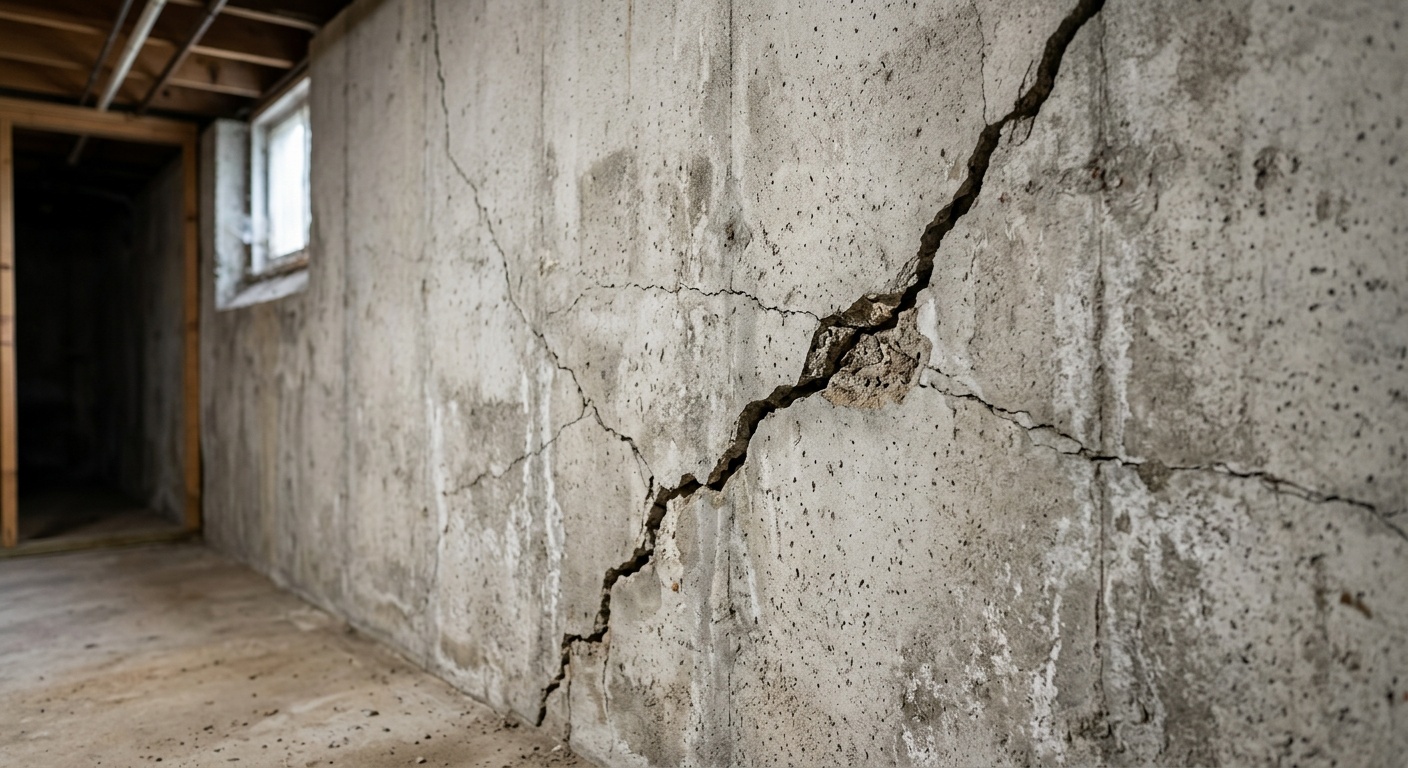
You’ve probably heard the classic rule of thumb: budget 1% of your home’s value annually for maintenance. On a $400,000 home, that’s $4,000 per year. It sounds reasonable — until the furnace dies, the roof starts leaking, and the water heater fails all within the same calendar year. Which, in homeownership, happens more than you’d expect.
In 2026, the 1% rule is arguably outdated. With construction labor costs up roughly 22% since 2020 and materials still elevated due to supply chain recalibrations, many financial planners now recommend a 1.5% to 2% annual reserve — especially for homes older than 15 years.
The Systems You Never Think About Until They Break
Every home is essentially a collection of systems that all have expiration dates. Most buyers focus on the cosmetics — kitchen counters, paint colors, flooring — but the real financial risk lies in the infrastructure:
- HVAC systems: Average replacement cost in 2026 ranges from $8,000 to $15,000 depending on the system type and home size. A standard central air/heat system lasts 15–20 years.
- Roof replacement: The national average in 2026 sits between $12,000 and $28,000 for a full replacement, depending on materials and square footage.
- Water heater: Traditional tanks last 8–12 years and cost $900–$2,500 to replace. Tankless units can run $3,000–$5,500 installed.
- Plumbing repairs: Even minor issues like pipe corrosion or sewer line clogs can run $2,000–$10,000 or more.
- Electrical panel upgrades: Increasingly common as more homeowners install EV chargers and smart home systems — typically $2,500–$6,000.
Quick Scenario: Imagine you buy a 1998-built home — a totally solid, well-maintained property. You pass inspection with flying colors. But here’s what the inspection report won’t tell you: every major system in that house is at or near the end of its statistical lifespan. You could walk into $30,000–$50,000 in necessary replacements within your first five years. That’s not a horror story. That’s just math.
Practical tip: When reviewing a home inspection report, ask your inspector to estimate the remaining useful life of major systems. Use this information to create a proactive replacement timeline and fund a dedicated home maintenance savings account — separate from your emergency fund.
Utility Shock: More Space Means Exponentially More Cost
Moving from a 900-square-foot apartment to a 2,200-square-foot home doesn’t mean your utility bills will just be slightly higher. In many cases, they more than double. First-time buyers routinely underestimate the cost of heating, cooling, and powering a significantly larger space — especially if the home is older and less energy-efficient than a modern apartment building.
The U.S. Energy Information Administration’s 2025 Residential Energy Consumption Survey found that the average American household spends approximately $2,400 per year on electricity alone — with homeowners in older housing stock averaging closer to $3,100. Add natural gas, water, trash collection, and internet service (now a necessity, not a luxury), and you’re often looking at $400–$700 per month in total utility costs for a moderately sized single-family home.
Beyond the baseline, there are the utility costs that catch new homeowners completely by surprise:
- Lawn and irrigation: Running sprinkler systems can add $80–$200 per month to your water bill during growing season.
- Pest control: Regular quarterly service runs $150–$300 per visit, or roughly $600–$1,200 annually — often a necessity rather than a luxury.
- Trash and recycling: Unlike apartments where this is bundled into rent, homeowners pay $30–$80 monthly depending on their municipality.
- Snow removal or lawn care services: If your property is larger than you can manage alone, professional services run $1,500–$4,000 annually.
Insurance Gaps Nobody Talks About at Closing
Your lender required you to get homeowners insurance — and you did. But standard homeowners insurance has more gaps than most new buyers realize, and those gaps can translate into catastrophic out-of-pocket expenses when something goes wrong.
What Standard Policies Typically Exclude
The most dangerous assumption in homeownership is believing that your homeowners policy covers everything. Here are the most financially damaging exclusions:
- Flood damage: Standard homeowners policies explicitly exclude flooding. In 2025, flood events caused over $28 billion in damages across the U.S. — the majority of affected homeowners were underinsured or uninsured for flood. A separate NFIP or private flood policy averages $700–$2,000 annually.
- Earthquake damage: Required separately in high-risk zones; average annual premium in California ranges from $800 to $3,000.
- Sewer backup: Most policies exclude this, yet a single sewer backup incident can cost $3,000–$25,000 to remediate. A rider covering this typically costs just $40–$80 per year — one of the best values in insurance.
- Mold remediation: Often excluded or severely limited; professional mold removal can cost $2,000–$10,000 or more.
- Home-based business equipment: If you work from home and $5,000 of equipment gets damaged, your standard policy may cover only $2,500.
Pro Tip: Spend one hour with an independent insurance agent reviewing your policy for exclusions. The cost of adding appropriate riders is almost always dramatically lower than the cost of a single uncovered claim.
HOA Fees and Special Assessments: The Wildcard Expense
If your new home is part of a homeowners association, you already knew about the monthly dues — but did you account for special assessments? These are one-time charges levied by HOAs to fund major repairs or improvements that the regular budget can’t cover. And they can be breathtakingly large.
In 2025, a particularly dramatic example played out in a Miami condominium complex where residents were issued a special assessment of $85,000 per unit to fund structural repairs following updated building inspection requirements. While that’s an extreme case (driven largely by Florida’s post-Surfside legislation), special assessments of $3,000–$15,000 are far more common than most buyers realize.
Even if you’re not in a condo, single-family HOAs regularly levy special assessments for shared infrastructure like community pools, gates, roads, and stormwater systems. Before purchasing in any HOA community, request and review the last three years of meeting minutes and the current reserve fund study. These documents will reveal exactly how financially healthy — or distressed — the HOA is.
Cost Comparison: What New Homeowners Underestimate Most
The chart below illustrates the percentage of first-time homeowners who reported being surprised by each category of hidden cost, based on 2025 survey data from Bankrate and the National Association of Realtors.
% of First-Time Homeowners Caught Off Guard by Cost Category (2025)
78%
64%
57%
43%
38%
Comparative Cost Overview: Budgeted vs. Actual First-Year Expenses
| Cost Category | Average Budgeted | Average Actual | Typical Shortfall |
|---|---|---|---|
| Property Taxes | $5,200 | $7,900 | $2,700 |
| Home Maintenance | $2,800 | $6,100 | $3,300 |
| Utilities | $3,600 | $5,400 | $1,800 |
| Insurance (all types) | $1,900 | $3,200 | $1,300 |
| HOA/Special Assessments | $1,400 | $3,800 | $2,400 |
Source: Compiled from 2025 Bankrate, NAR, and U.S. Census American Housing Survey data. Figures represent national averages for homes purchased between $300,000–$550,000.
Real Stories: What Two First-Time Buyers Learned the Hard Way
Case Study 1: The “Perfect” Ranch Home in Phoenix
Marcus and Diana purchased a 2,000-square-foot ranch home in the Phoenix suburbs in March 2025 for $412,000. They budgeted meticulously — or so they thought. Their mortgage payment was $2,650 per month, and they had accounted for taxes and insurance in that figure. What they hadn’t accounted for was the full scope of Arizona summer utility bills.
Their first summer cooling bill arrived in July: $480. Then August: $510. Their apartment had cost them $130 per month to cool. The house had a 12-year-old AC unit running at reduced efficiency. By October, they’d spent nearly $2,800 more on utilities than they’d projected for the year — and that was before the AC unit required a $1,700 repair in September. Total first-year overage: approximately $7,200.
“We’d done everything right on paper,” Marcus said in a 2025 Reddit thread that went viral in personal finance communities. “But nobody told us to ask about the age of the AC unit or what the actual utility bills looked like for the previous owner. Lesson: always ask for 12 months of utility bills before you buy.”
Case Study 2: The Dream Condo with a Nightmare Assessment
Priya, a 29-year-old software developer, purchased a condominium in a well-regarded Nashville building in early 2025. She’d done her due diligence — reviewed the HOA financials, checked the reserve fund, and felt confident. What she hadn’t noticed, buried in the meeting minutes from 18 months prior, was a discussion about the aging building facade and the board’s plan to commission a full engineering study.
Eight months after moving in, she received a letter from the HOA board announcing a special assessment of $8,400 per unit, due within 90 days, to fund facade repairs required under updated city building codes. “I had an emergency fund, but not for this,” Priya told a financial advisor she sought out afterward. “It wiped out almost everything I’d saved after the down payment.”
Her advisor’s advice — which she now shares whenever possible — is to always hire a specialized HOA review service (costing $300–$500) before purchasing in any association-governed community. These services dig through meeting minutes, reserve studies, and pending litigation to surface exactly these kinds of time bombs.
Frequently Asked Questions
How much should I really save for home maintenance each year?
In 2026, the safest approach is to budget between 1.5% and 2% of your home’s purchase price annually for maintenance and repairs — not the often-cited 1%. For older homes (pre-2000), or homes with aging major systems, consider budgeting closer to 2.5%. Keep this money in a dedicated, liquid savings account separate from your emergency fund. Your emergency fund handles life’s surprises; your home maintenance fund handles your house’s inevitable wear. If you have a good year with minimal repairs, the fund grows as a buffer for the inevitable bad year.
Can I negotiate to have the seller cover some of these hidden costs at closing?
Absolutely — and in the 2026 housing market, where inventory has improved slightly compared to the frenzied years of 2021–2023, buyers have more negotiating room than they did. You can request seller concessions to cover costs like a home warranty (typically $400–$800/year), closing cost credits that you redirect toward a maintenance reserve, or repairs identified during inspection. A skilled buyer’s agent can also negotiate for a price reduction based on the remaining useful life of aging systems. Just remember: concessions are most negotiable when the market is balanced or buyer-favorable, so understanding your local market dynamics is key.
Is a home warranty worth buying for a first-time homeowner?
Home warranties are a genuinely mixed bag. In 2026, the average home warranty costs $500–$1,200 per year and covers repair or replacement of major systems and appliances — but the devil is in the details. Many policies have significant exclusions (pre-existing conditions, code upgrades required alongside repairs, caps on payout amounts), and some companies have faced criticism for claim denials. That said, for a first-time buyer purchasing an older home with aging appliances and systems, a home warranty can provide real psychological and financial value in those first vulnerable years. The key is reading the contract closely, understanding the caps, and selecting a warranty company with strong independent reviews — not just the one your real estate agent recommends (who may be receiving a referral commission).
Your Financial Defense Roadmap: Stop Surprises Before They Start
Here’s the honest truth: homeownership is one of the most financially complex decisions most people will ever make — and the purchase itself is just the opening chapter. The hidden costs outlined in this article aren’t anomalies. They are the standard experience of homeownership, just rarely discussed clearly before the ink dries on the contract.
As more buyers enter the market in 2026 and beyond — driven by demographic shifts, improved inventory, and gradual mortgage rate adjustments — financial literacy around true homeownership costs has never been more important. The buyers who thrive aren’t the ones who are lucky. They’re the ones who planned for the full picture.
Here’s your immediate action plan:
- Build a dedicated home reserve fund. Before your first mortgage payment is even due, open a separate savings account and fund it with at least 1.5% of your home’s value. This is not your emergency fund — it is specifically for your house.
- Request one year of utility bills from the seller. This single step can reveal energy efficiency problems, aging systems, and seasonal cost spikes that no inspection will catch.
- Audit your insurance coverage within 60 days of moving in. Schedule a policy review with an independent insurance agent specifically to identify gaps: flood, sewer backup, earthquake if applicable, and adequate personal property coverage.
- Research your county’s property tax reassessment policy immediately. If your purchase price significantly exceeds the current assessed value, get ahead of the coming tax increase by contacting your county assessor’s office and adjusting your escrow contributions proactively.
- Calendar a semi-annual home systems review. Every six months, walk through your home systematically and assess the condition of HVAC, plumbing, roof, gutters, and appliances. Proactive maintenance almost always costs a fraction of reactive emergency repairs.
Homeownership is still one of the most powerful wealth-building tools available — but only when you go in with eyes wide open. The costs are real, they are consistent, and they are manageable with the right preparation.
Here’s the question to ask yourself right now: If your furnace stopped working tomorrow, your water heater failed next month, and your property tax bill came in 40% higher than expected — would you be financially prepared to handle all three without derailing your household budget? If the honest answer is no, start building that buffer today. Your future self will thank you for it.