Matthew Thorne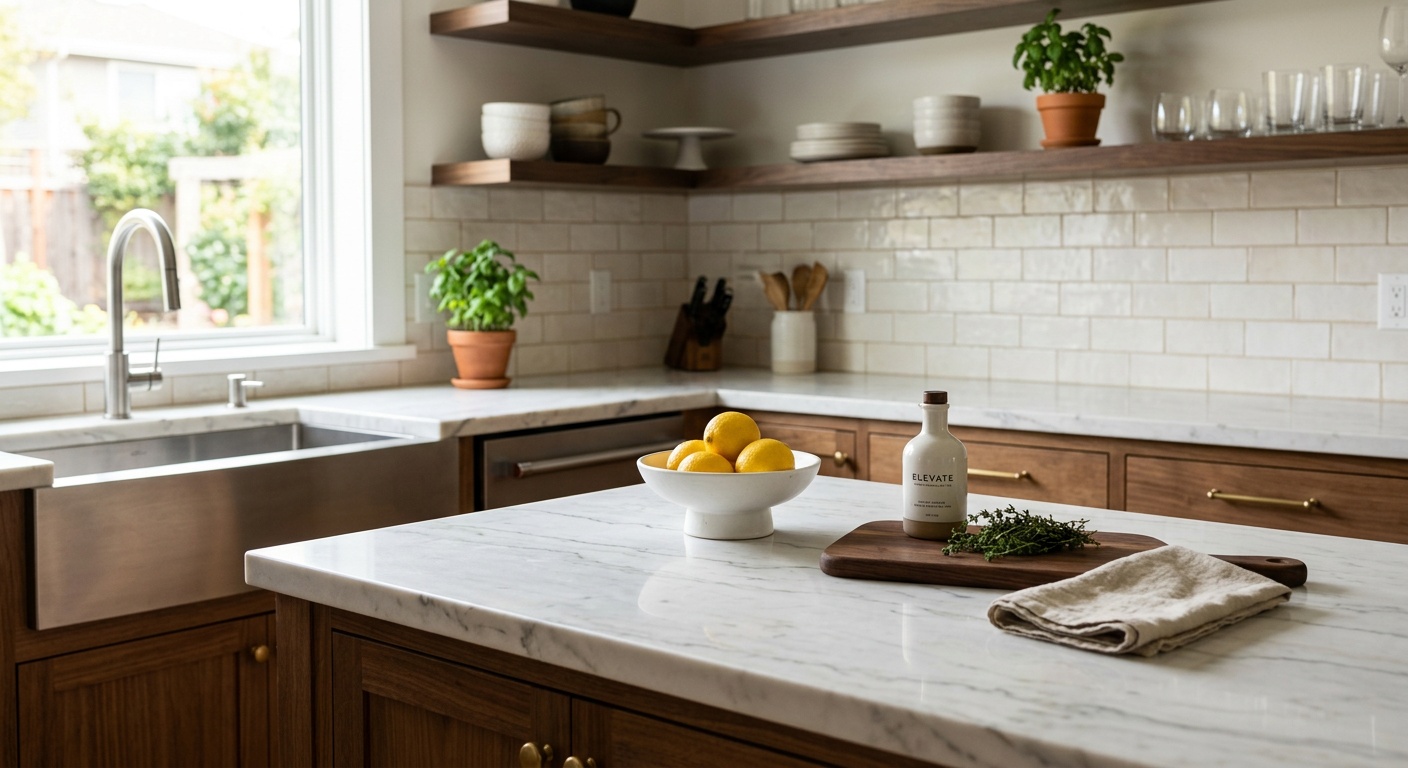
Home Renovation Return on Investment Guide for New Homeowners
Reading time: 14 minutes
You just bought your first home. Congratulations — and welcome to the beautiful, occasionally bewildering world of renovation decisions. Now comes the question that keeps every new homeowner up at night: Which upgrades are actually worth the money?
Here’s the straight talk: not every renovation dollar comes back to you when you sell. Some projects return 80–90 cents on every dollar. Others? You’ll be lucky to recover half. Knowing the difference between a smart investment and an expensive indulgence isn’t just useful — it’s the foundation of smart homeownership in 2026.
This guide is your strategic roadmap through the renovation ROI landscape — practical, data-backed, and written for real people making real financial decisions.
Table of Contents
- Why ROI Matters More Than Ever in 2026
- Top Renovation Projects by ROI
- Real-World Case Studies
- Common ROI Mistakes (and How to Avoid Them)
- ROI at a Glance: Data Visualization
- Renovation ROI Comparison Table
- Frequently Asked Questions
- Your Renovation Investment Roadmap
Why ROI Matters More Than Ever in 2026
The housing market in 2026 is a nuanced beast. After the interest rate volatility of 2024 and 2025, buyers are more financially cautious, and appraisers are applying stricter scrutiny to property values. According to the 2026 Remodeling Impact Report by the National Association of Realtors, the average cost recovery on home renovation projects across the U.S. sits at approximately 63 cents per dollar spent — but that average masks enormous variation between project types, neighborhoods, and execution quality.
For new homeowners specifically, two financial realities define the landscape:
- Equity building: You want renovations that increase your home’s appraised value and market appeal.
- Livability gains: You need to actually enjoy living in the home while you own it.
The smartest renovators in 2026 are those who balance both priorities — not chasing maximum resale value at the expense of their daily comfort, and not indulging personal taste so aggressively that it alienates future buyers.
“The best renovation investment is one that serves you today and rewards you tomorrow. Homeowners who conflate personal luxury with market value consistently leave money on the table.” — Dana Levine, Certified Residential Appraiser, Chicago Metropolitan Board (2025)
The 2026 Market Context You Can’t Ignore
Three macro trends are shaping renovation ROI calculations this year:
- Energy efficiency premiums: Buyers in 2026 are actively paying more for homes with lower utility costs. Heat pumps, solar readiness, and smart insulation packages have jumped significantly in their resale value contribution compared to just three years ago.
- Remote work infrastructure: Dedicated home office spaces continue to command buyer premiums in suburban and exurban markets, a trend that shows no signs of reversing.
- Material and labor cost stabilization: After the supply chain chaos of 2021–2023, contractor costs have largely stabilized in most U.S. markets, making project cost estimates more reliable than they’ve been in years.
Top Renovation Projects by ROI
Let’s get specific. Here’s a breakdown of the renovation categories that consistently deliver the strongest return, organized from highest to moderate ROI potential.
High-ROI Exterior Projects: First Impressions Pay Dividends
It might surprise you, but some of the best ROI in home renovation comes from the outside of your house. Curb appeal isn’t just aesthetic sentiment — it’s buyer psychology translated into dollars.
Garage door replacement remains the single highest-ROI renovation project for the third consecutive year in 2026, recovering an average of 93.3% of costs nationally according to Remodeling Magazine’s 2026 Cost vs. Value Report. A mid-range steel garage door replacement averages $4,500 in cost and adds approximately $4,200 to resale value. The math speaks for itself.
Stone veneer exterior accents follow closely, at approximately 88.2% cost recovery. For a roughly $12,000 investment, homeowners can add substantial curb appeal and perceived structural quality that resonates powerfully with buyers.
Front door replacement — particularly steel entry doors — averages around 80.9% ROI. A high-quality steel entry door costing approximately $2,300 installed adds both security appeal and aesthetic value that’s easy for buyers to appreciate instantly.
The pattern here is clear: exterior upgrades with broad, universal appeal and relatively modest costs consistently outperform expensive interior renovations on pure ROI metrics.
Kitchen Renovations: The ROI Sweet Spot vs. The Danger Zone
Kitchens are where new homeowners get seduced — and where the ROI math gets complicated fast. Here’s the critical distinction you need to understand:
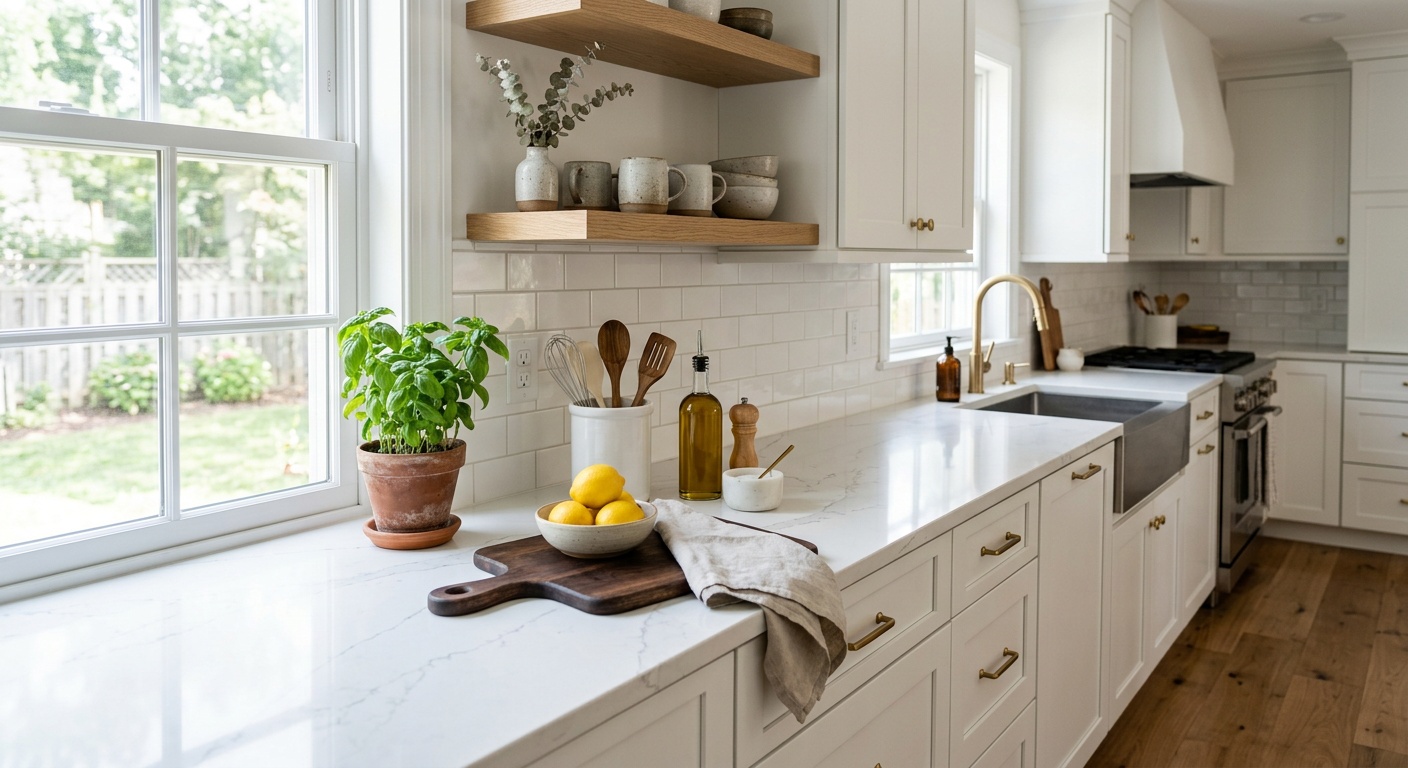
Minor kitchen remodels (cabinet refacing, new hardware, updated appliances, fresh paint, new countertops) average a 76.4% ROI in 2026. For a $28,000 investment, you might recover approximately $21,400 at resale while dramatically improving your daily living experience.
Major kitchen remodels, however, average only 52.7% ROI. Spend $85,000 gutting and reimagining your kitchen with custom everything, and you might add only $44,800 in market value. You’ve essentially paid $40,000 for the privilege of cooking in a beautiful kitchen — which might be worth it to you personally, but it’s not a financial investment.
Pro Tip: The renovation sweet spot in kitchens is updating what’s visually dated without restructuring the fundamental layout. New quartz countertops, updated cabinet fronts, a tile backsplash, and modern fixtures can transform a kitchen’s appeal for $20,000–$35,000 while preserving strong ROI.
Bathroom Updates: Strategic Returns
Bathroom renovations follow similar logic. A midrange bathroom remodel averages 66.7% ROI nationally in 2026 — a solid performer when executed intelligently. Adding a bathroom where none existed (particularly converting an unused space to a half-bath or full bath in a two-bathroom home) can return even higher, particularly in family-focused suburban markets.
Upscale bathroom additions drop to around 51.6% ROI — that luxury spa shower with body jets sounds incredible but recovers only about half its cost at resale.
Energy Efficiency Upgrades: The 2026 ROI Sleeper Hit
This is where 2026 diverges most dramatically from renovation guidance written even five years ago. Energy efficiency upgrades have transformed from “nice environmental bonus” to genuine financial drivers:
- Heat pump HVAC installation: ~71% ROI, with additional monthly utility savings of $85–$220 depending on climate zone
- Insulation upgrades (attic/wall): ~80% ROI plus measurable energy cost reduction
- Smart thermostat and electrical panel upgrades: ~68% ROI, increasingly required by buyers with EVs
- Solar panel installation: Variable at 60–75% direct ROI, but homes with solar sell 4.1% faster on average in 2026 markets
Real-World Case Studies
Case Study 1: The Strategic Flipper’s Approach in Phoenix, AZ
Marcus and Tanya Rivera purchased a 1,780 sq ft ranch-style home in Tempe, Arizona in early 2025 for $387,000. As first-time homeowners with plans to stay 5–7 years, they allocated $48,000 for improvements. Rather than spending emotionally, they worked with a local real estate agent to prioritize projects by neighborhood comparables.
Their investment breakdown:
- New garage door + exterior paint: $8,200
- Minor kitchen refresh (countertops, hardware, appliances): $19,500
- Bathroom tile and fixture updates (master + guest): $11,300
- Attic insulation + smart HVAC thermostat: $9,000
When they listed in late 2025 due to a job relocation, comparable homes without updates were selling for $408,000–$415,000. Their home sold in 11 days for $461,000 — a roughly $54,000 premium over unrenovated comparables, recovering 112% of their renovation investment at resale, excluding the utility savings they enjoyed throughout their ownership.
The key? They renovated to neighborhood standards, not beyond them. Every choice was filtered through the question: “What do buyers in this zip code expect?”
Case Study 2: The Over-Improvement Trap in Portland, OR
In contrast, consider the experience of David Chen, who purchased a modest 1,450 sq ft bungalow in a mid-tier Portland neighborhood in 2024 for $415,000. Inspired by home renovation content online, David invested $95,000 in a comprehensive renovation: a full luxury kitchen overhaul ($52,000), a high-end master bathroom addition ($28,000), and custom built-ins throughout ($15,000).
The problem? The neighborhood’s ceiling — the maximum price any comparable home commanded — was approximately $530,000. When David listed in 2026, his agent explained that regardless of the renovation quality, buyers comparing his home to neighborhood alternatives wouldn’t pay more than the market ceiling. He sold for $527,000, recovering only about $112,000 of his $510,000 total investment (purchase + renovations) — effectively losing money relative to comparable unrenovated homes that sold for $480,000–$510,000 without the renovation costs.
The lesson: Always assess your neighborhood’s price ceiling before committing to major renovation spend. Never renovate beyond what the market will support.
Common ROI Mistakes and How to Avoid Them
Every new homeowner is susceptible to certain renovation traps. Here are the three most financially damaging — and how to sidestep them.
Mistake 1: Renovating for Personal Taste Alone
Your ultra-specific aesthetic vision — perhaps a converted garage into a home theater, or a backyard koi pond — might bring you tremendous joy but terrible resale results. The market pays for broad appeal. Before any major renovation, ask: “Would 60% or more of likely buyers in this market value this addition?” If the answer is no, treat it as a lifestyle expense, not an investment.
Mistake 2: Ignoring Deferred Maintenance for Cosmetic Upgrades
This is a classic new homeowner error: painting the walls and installing new flooring while the roof is aging, the electrical panel is outdated, or the HVAC is 18 years old. Appraisers and inspectors will flag functional deficiencies regardless of cosmetic improvements. Maintaining structural and mechanical systems always precedes cosmetic ROI calculations.
A general rule: if your home inspection identified any items costing more than $3,000 to address, resolve those before any cosmetic renovation spend. Buyers who find deferred maintenance during their own inspections will negotiate price reductions that typically exceed the repair cost.
Mistake 3: DIY-ing the Wrong Projects
In 2026, the DIY renovation movement is thriving — and for good reason. Painting, landscaping, minor fixture replacements, and cosmetic updates can deliver legitimate savings. But electrical work, structural modifications, and plumbing are categories where amateur execution creates both safety hazards and appraiser red flags. Unpermitted work discovered during a home sale can kill deals or force discounts exceeding the original project cost. Always pull permits for projects that require them. The few hundred dollars in permit fees could preserve tens of thousands in resale value.
ROI at a Glance: 2026 Renovation ROI Chart
The following chart illustrates average cost recovery percentages for key renovation projects in 2026, based on national averages from the 2026 Cost vs. Value Report.
2026 Average Renovation ROI (Cost Recovery %)
93.3%
88.2%
76.4%
80.0%
52.7%
Source: 2026 Cost vs. Value Report — National Averages
Renovation ROI Comparison Table: 2026 National Data
| Project Type | Avg. Project Cost | Avg. Value Added | ROI % | Best For |
|---|---|---|---|---|
| Garage Door Replacement | $4,500 | $4,200 | 93.3% | Quick resale prep |
| Minor Kitchen Remodel | $28,000 | $21,400 | 76.4% | Long-term owners |
| Attic Insulation | $3,200 | $2,560 | 80.0% | Energy cost savings |
| Midrange Bath Remodel | $25,000 | $16,675 | 66.7% | Mid-market homes |
| Major Kitchen Remodel | $85,000 | $44,800 | 52.7% | Luxury market only |
Frequently Asked Questions
How do I know how much to spend on renovations relative to my home’s value?
A widely used industry guideline is the 5–15% rule: no single room renovation should exceed 5–15% of your home’s total value. For a $400,000 home, that means a kitchen renovation budget of $20,000–$60,000 is reasonable, with the lower end being smarter for ROI purposes. Beyond that ceiling, you risk over-improving for your market. Additionally, ensure your total renovation spend — across all projects — doesn’t push your all-in home cost (purchase price plus renovation) more than 10–15% above the neighborhood’s median sale price for comparable homes. Exceeding that threshold typically means the market will not reward your investment at resale.
Should I renovate before selling, or sell as-is and let the buyer renovate?
This depends on your market, your timeline, and the current condition of the home. In a seller’s market — where qualified buyers are competing for limited inventory — a well-maintained, move-in-ready home commands strong premiums over as-is properties. Strategic pre-sale renovations (fresh paint, updated fixtures, landscaping, professional staging) consistently return 100%+ in buyer perception value. However, in a buyer’s market or if your home requires major structural work, selling as-is to an investor or cash buyer may be more financially practical than attempting full renovation. The 2026 market varies significantly by geography, so consult a local real estate agent for neighborhood-specific guidance before committing either direction.
Are there renovation projects I should absolutely avoid for ROI purposes?
Yes — several renovation categories consistently underperform on ROI and should be approached cautiously. Swimming pool additions in non-sunbelt markets average only 35–45% cost recovery and can actually deter buyers who view pools as maintenance burdens. Sunroom additions average approximately 49% ROI nationally. Luxury master suite additions in mid-market neighborhoods typically recover less than 55% of costs. Home office conversions that eliminate bedrooms can actively reduce home value — each bedroom typically adds $15,000–$25,000 in appraised value, so converting one to an office is a net negative in most markets. When in doubt, ask a local appraiser for a pre-renovation consultation — many offer this service for $300–$500 and it can save you from costly mistakes.
Your Renovation Investment Roadmap: Build Smart From Day One
Here’s the truth about home renovation ROI: it rewards preparation, not impulse. The homeowners who consistently build equity through renovation aren’t the ones with the biggest budgets — they’re the ones who ask the right questions before picking up a sledgehammer.
As a new homeowner in 2026, you’re entering homeownership at a moment when strategic renovation intelligence is more valuable than ever. Energy efficiency is now a financial asset. Buyer expectations are more sophisticated. And the data to guide your decisions is more precise than any previous generation of homeowners has had access to.
Here are your five immediate action steps to start smart:
- Complete a full home inspection review. If you received an inspection report at purchase, re-read it now. Prioritize resolving any flagged mechanical, structural, or safety items before planning any cosmetic renovation.
- Research your neighborhood’s price ceiling. Ask a local real estate agent for a comparative market analysis (CMA) showing sale prices of renovated vs. unrenovated homes in your zip code. This single data point is your most important renovation budget constraint.
- Identify your ownership timeline. Planning to stay 3–5 years? Prioritize high-ROI exterior projects and energy efficiency. Planning 10+ years? Minor kitchen and bathroom updates with livability improvements make more sense, because you’ll benefit from them daily.
- Build a prioritized renovation queue. Rank all desired projects by: (a) urgency for safety/maintenance, (b) ROI percentage, and (c) personal livability value. Execute in that order.
- Consult a certified appraiser before any project exceeding $20,000. A pre-renovation appraisal consultation costs a few hundred dollars and can prevent you from spending tens of thousands on improvements your market won’t reward.
The broader trend is clear: in 2026 and beyond, homeownership is increasingly a wealth-building vehicle for those who approach it strategically — and an expensive lifestyle choice for those who don’t. The good news is that you now have both the framework and the data to make decisions that serve your future self as powerfully as your present one.
The question isn’t whether to renovate — it’s whether every dollar you spend is working as hard as you are. What’s the one renovation project on your list right now that you could evaluate more strategically before moving forward?