Matthew Thorne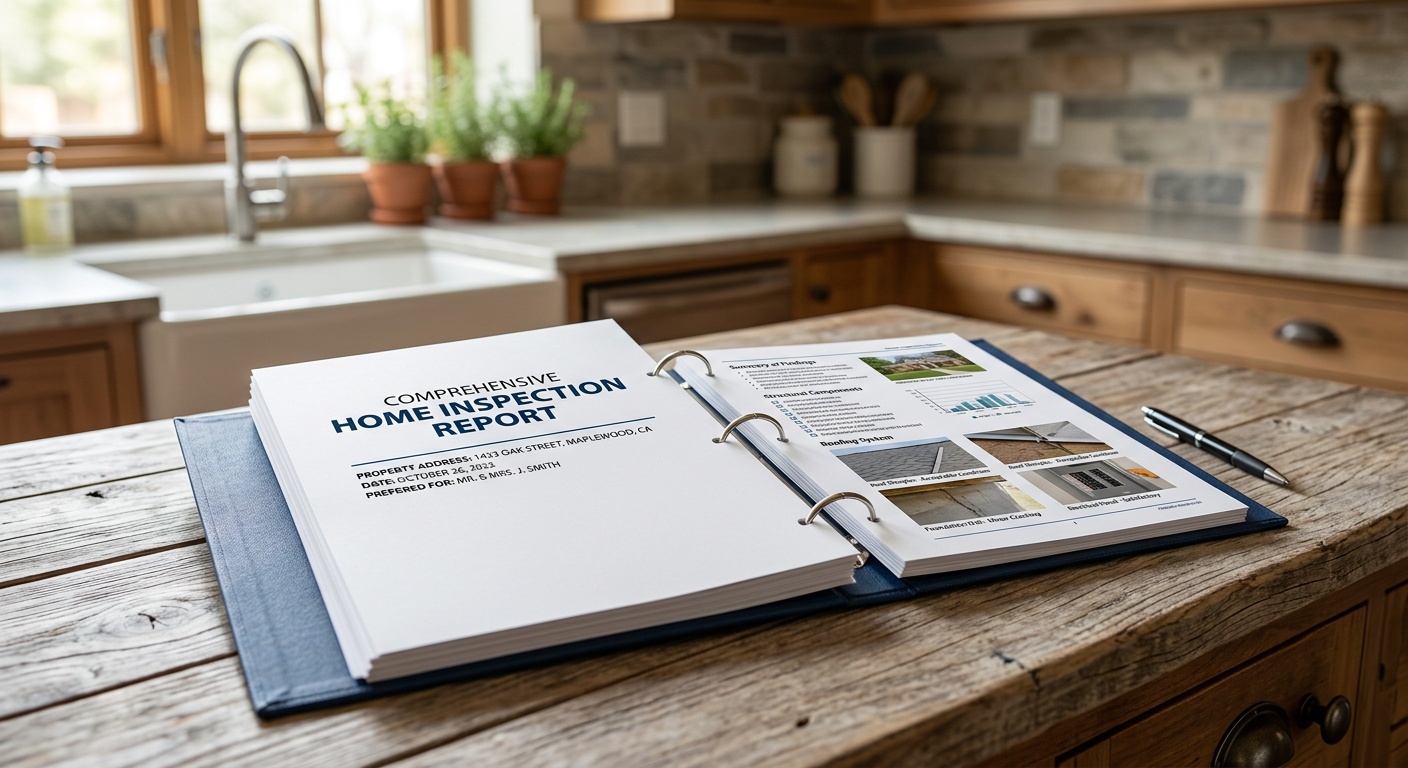
Negotiating Repairs After a Home Inspection as a First-Time Buyer
Reading time: 14 minutes
You’ve found the home. You’ve submitted the offer. The seller accepted. And now—the home inspection report lands in your inbox like a small bomb. Pages of findings, color-coded severity ratings, and photos of things you didn’t know could go wrong with a house. Sound familiar?
Here’s the straight talk: a home inspection report is not a deal-killer—it’s a negotiating tool. Most first-time buyers in 2026 either panic and ask for too much, or freeze and ask for nothing at all. Neither approach serves you well. What separates savvy buyers from stressed ones is knowing exactly how to read that report, prioritize the findings, and have a strategic, confident conversation with the seller.
In today’s market—where median home prices in the U.S. sit around $412,000 as of early 2026 (according to the National Association of Realtors), and buyer competition remains significant in many metros—the art of repair negotiation can literally save you tens of thousands of dollars, or protect you from a money pit.
This guide walks you through everything: understanding what to flag, what to let go, how to frame your requests, and how to close strong.
Table of Contents
- Understanding the Home Inspection Report
- How to Prioritize Repair Requests
- Negotiation Strategies That Actually Work
- Common Challenges and How to Overcome Them
- Real-World Scenarios: Learning from Other Buyers
- Repair Request Comparison: Approaches and Outcomes
- What Buyers Are Negotiating in 2026
- Frequently Asked Questions
- Your First Home, Your Best Deal: Action Plan
Understanding the Home Inspection Report
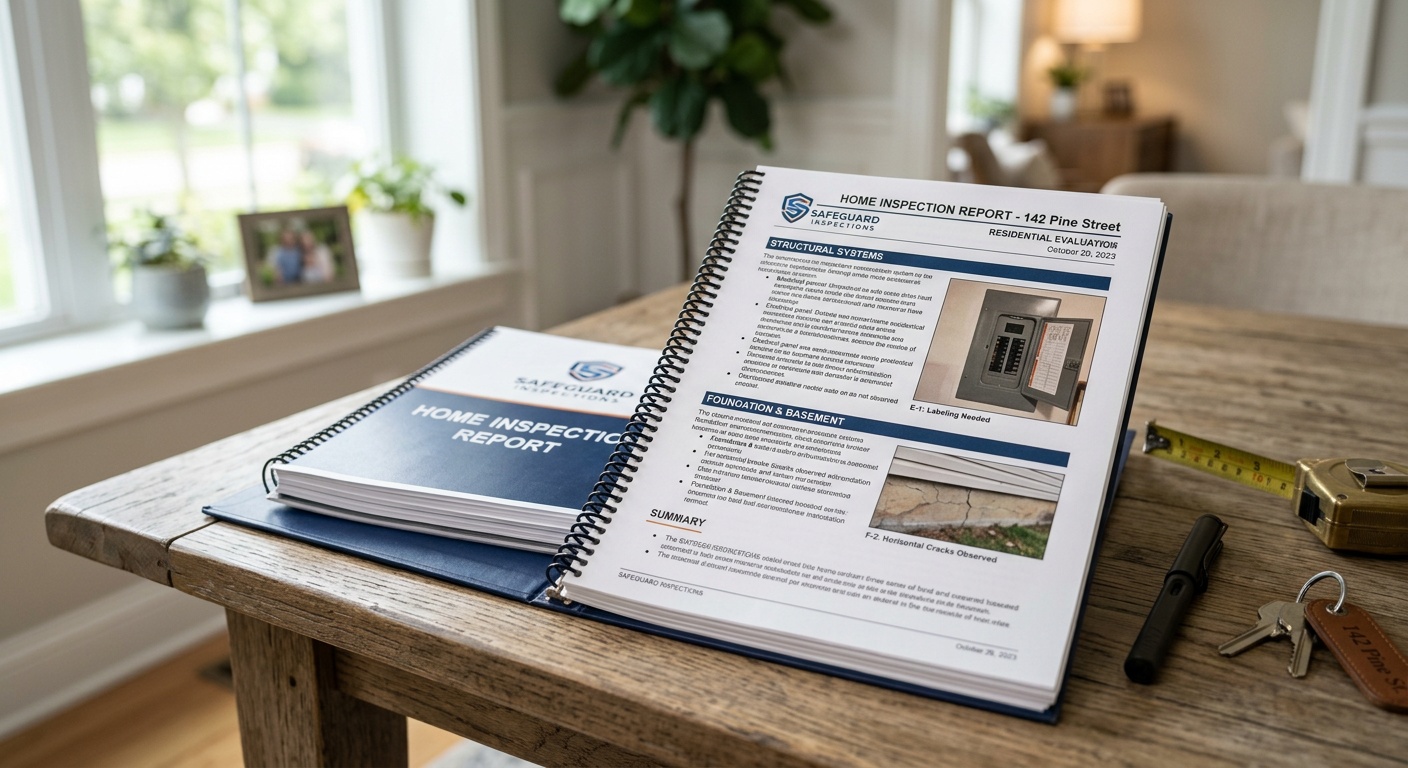
Before you negotiate a single dollar, you need to truly understand what you’re looking at. A standard home inspection covers the structural components, roof, electrical systems, plumbing, HVAC, insulation, windows, and more. Reports typically run 30 to 80 pages and can list anywhere from 10 to 100+ items.
The Difference Between “Defects” and “Concerns”
Not all findings carry equal weight. Professional inspectors typically use tiered language—words like “safety hazard,” “major defect,” “maintenance item,” and “monitor” mean very different things. Here’s a quick breakdown:
- Safety Hazards: Immediate risks to occupants—exposed wiring, active gas leaks, broken stair railings, faulty carbon monoxide detectors. These are non-negotiable repair requests.
- Major Defects: Issues that significantly affect the home’s function or value—failed HVAC systems, roof damage, foundation cracks, water intrusion, failed septic systems.
- Minor Defects: Items that need attention but don’t compromise safety—a dripping faucet, minor caulking issues, a sticking door.
- Maintenance Items: Normal wear-and-tear observations—gutters needing cleaning, some weatherstripping worn. These are generally your responsibility as a future owner.
Pro Tip: Highlight all items in your report that fall into the first two categories. These become your negotiation list. Everything else? Consider it your to-do list once you move in.
Should You Hire a Specialist After the General Inspection?
A general home inspector is a generalist. If your inspector flags potential foundation movement, mold indicators, or an aging electrical panel, it’s often worth spending $150–$500 on a specialist (structural engineer, mold remediator, licensed electrician) before you negotiate. Why? Because vague language like “recommend further evaluation” doesn’t give you negotiating power—but a specialist’s written estimate does.
In 2026, many buyers are using digital platforms like Thumbtack, Angi, and HomeAdvisor to quickly source specialist quotes within 24–48 hours of the general inspection. This speed matters because most purchase contracts give you a 10–14 day inspection contingency window—and you don’t want to waste it.
How to Prioritize Repair Requests
Here’s where most first-time buyers go wrong: they send the seller a list of 47 repair items ranging from a cracked outlet cover to a failing roof. The seller’s reaction? Irritation, defensiveness, and sometimes a counteroffer that walks back earlier concessions.
Strategic focus beats exhaustive lists every time.
The “Big Three” Framework
Real estate veterans often advise buyers to apply a simple mental filter before building their repair request list. Ask three questions about each flagged item:
- Does it affect safety? If yes, it must be on your list.
- Does it affect the home’s structural integrity or core systems? If yes, it stays.
- Is the cost material—typically $500 or more per item? If yes, it belongs in the conversation.
Items that don’t pass any of these filters are generally better handled post-closing on your own budget. This keeps your negotiation tight, credible, and professional.
Repair Credits vs. Asking the Seller to Fix Things
One of the most important decisions you’ll make in this phase is whether to ask the seller to complete repairs or offer a credit at closing. Both have pros and cons:
- Seller-completed repairs: You don’t have to manage the work—but you also can’t control the quality. Sellers often hire the cheapest contractor available. You may get a Band-Aid fix on a wound that needs surgery.
- Closing credits: You get a dollar amount knocked off the purchase price or applied to closing costs. You control the quality of the repair post-closing. This is generally preferred in 2026’s market, where buyers want transparency and control.
According to a 2025 survey by the American Society of Home Inspectors (ASHI), approximately 68% of buyers who negotiated after inspections preferred closing credits over seller-arranged repairs—up from 59% in 2023. The trend is clear: buyers want money, not promises.
Negotiation Strategies That Actually Work
Now we get to the heart of it. Knowing what to ask for is only half the battle—how you ask matters enormously. Real estate negotiation isn’t adversarial; it’s collaborative problem-solving with competing interests. Frame it that way, and you’ll get further faster.
Anchoring with Documentation
Never submit a repair request without documentation. Your inspection report alone isn’t enough—you need contractor estimates. When you submit a written repair request accompanied by two or three itemized contractor quotes, you anchor the conversation in facts, not feelings. The seller can’t reasonably dispute a licensed contractor’s $8,400 estimate for a furnace replacement.
Format your requests professionally. A bullet-pointed letter that identifies the specific defect, references the page number in the inspection report, and attaches the supporting estimate demonstrates seriousness and competence. Sellers (and their agents) respond better to organized buyers who clearly know what they’re doing.
Choosing Your Battles Strategically
Think of your repair negotiation as a budget of goodwill. You have a finite amount of leverage in any transaction—spend it on what matters most. If the roof needs $15,000 in work and the HVAC is 22 years old and likely to fail within 2–3 years, those are your battles. The cosmetic crack in the drywall? Let that go.
Quick Scenario: You’re buying a 1987 colonial listed at $389,000. The inspection reveals a damaged roof (estimated $12,000 repair), an aging water heater (estimated $1,200 replacement), and a list of 23 minor items including some caulking around tubs, a slow-draining sink, and a missing doorstop. Your smart move is to request a $13,200 closing credit covering the two major items—and say nothing about the minor list. This presents you as a reasonable buyer, maximizes your credit, and keeps the deal alive.
The Art of the Counteroffer
What happens when the seller pushes back? Don’t panic—this is normal. Sellers often counter with a partial credit or offer to complete only certain repairs. Your response depends on how essential the disputed item is:
- If the seller refuses to address a safety hazard or major structural defect, consult your real estate attorney. In many states, sellers are legally obligated to disclose known material defects, and failing to remediate flagged safety items can expose them to liability.
- If the dispute is over cost, obtain a third contractor quote and split the difference—this middle-ground approach resolves about 74% of repair negotiation standoffs, according to a 2025 National Association of Realtors report.
- If the seller refuses everything, evaluate whether this is the right house for you. A seller who stonewalls on legitimate safety concerns may be hiding more than the inspection revealed.
Common Challenges and How to Overcome Them
Challenge 1: The “As-Is” Listing
More sellers in 2026 are listing properties “as-is” to avoid negotiation headaches. But here’s what many first-time buyers don’t realize: “as-is” does not mean you waive your inspection rights. It means the seller is declaring upfront they won’t make repairs. You can still inspect, still receive the report, and still choose to walk away if the findings are severe enough.
In fact, “as-is” listings can create opportunities. Sellers typically price these homes with a discount already baked in. If the inspection reveals issues in line with that discount, you may be fine. If the inspection reveals more than the discount accounts for, you have grounds to renegotiate or terminate—depending on your contract’s inspection contingency language. Always read that language carefully.
Challenge 2: The Emotional Seller
Many sellers—especially those who’ve lived in the home for decades—take repair requests personally. They see it as an attack on their home, their taste, their stewardship. This is human, and it’s something you need to navigate with emotional intelligence.
Frame all communications through your agent using neutral, factual language. Instead of: “The roof is in terrible condition and needs to be replaced,” try: “The inspection identified roofing wear consistent with age that a licensed contractor estimates at $11,500 to remediate. We’d like to request a credit to address this prior to closing.” Same information, entirely different emotional register.
Challenge 3: Timeline Pressure
Inspection contingency windows are tight—typically 7–14 days. First-time buyers often feel rushed and either accept inadequate responses from sellers or make hasty decisions about walking away. Here’s how to manage the clock:
- Schedule your inspection within 48 hours of the contract being signed.
- Request specialist follow-ups within 24 hours of receiving the general report.
- Submit your repair request at least 3–4 days before the contingency deadline to allow time for back-and-forth.
- If you need more time, ask your agent to request a contingency extension—many sellers will grant 2–3 extra days rather than risk the deal falling apart.
Real-World Scenarios: Learning from Other Buyers
Case Study 1: Maya and the Foundation Surprise
Maya, a 29-year-old graphic designer in Austin, Texas, was under contract in early 2026 on a 1960s ranch home listed at $355,000. The general inspection flagged “possible foundation movement” and recommended a structural engineer evaluation. Rather than panic, Maya spent $350 to hire a licensed structural engineer who assessed the movement as minor—cosmetic, not structural—and provided a written report confirming no immediate remediation was needed.
Armed with the engineer’s report, Maya went back to the seller not to demand a credit for the foundation (the specialist had cleared it), but to address two other findings: a roof with approximately 3–4 years of remaining life (estimated $9,800 to replace) and an HVAC system that was 18 years old (estimated $5,200 to replace). She requested a $15,000 closing credit. The seller countered at $10,000. Maya accepted $12,500. She closed on the home, and the specialist report actually increased her confidence—the “scary” item turned out to be nothing. The real money was in the systems she almost overlooked in the foundation drama.
Case Study 2: Carlos and the “As-Is” Opportunity
Carlos, a 34-year-old teacher in Charlotte, North Carolina, initially avoided an as-is listing thinking he had no negotiation power. His agent convinced him to schedule an inspection anyway. The report revealed a failed sump pump, two GFCI outlets that needed replacing (safety hazard), and a cracked chimney flue liner. Total estimated repair: $4,200.
The home was priced at $278,000—already $18,000 below comparable sales, reflecting the as-is condition. Carlos reviewed the contract’s inspection contingency language with his agent and confirmed he had the right to terminate if unsatisfied. He submitted a request not for repairs (as-is listings rarely accept them) but for a price reduction of $4,000, citing specific findings and contractor estimates. The seller—who had priced in a discount but hadn’t expected this kind of documented precision—agreed to $3,500. Carlos got a well-priced home and a clear repair roadmap. Total outcome: better than expected.
Repair Request Comparison: Approaches and Outcomes
| Approach | Best Used When | Typical Outcome | Risk Level | Buyer Control |
|---|---|---|---|---|
| Closing Credit Request | Major repairs needed; buyer wants control of quality | Strong; widely accepted in 2026 market | Low | High |
| Seller-Completed Repairs | Simple, well-defined repairs with clear specs | Moderate; quality can vary widely | Medium | Low |
| Price Reduction | As-is listings; significant repair costs | Good when backed by contractor quotes | Low–Medium | High |
| Walk Away (Terminate) | Seller won’t negotiate on safety/major defects | Protects buyer from bad deal | Very Low (for buyer) | Maximum |
| Accept As-Is with No Request | Only minor issues found; strong market competition | Smoothest path to close | Medium (future cost exposure) | Low |
What Buyers Are Negotiating in 2026
Based on aggregated data from home inspection and real estate industry surveys in 2025–2026, here are the most commonly negotiated repair categories and what percentage of buyers successfully obtained credits or remediation:
Roof Issues — 78% success rate
HVAC Systems — 71% success rate
Electrical / Safety Hazards — 83% success rate
Plumbing / Water Intrusion — 66% success rate
Foundation Concerns — 54% success rate
Source: Aggregated 2025–2026 data from ASHI, NAR, and residential real estate transaction records.
Frequently Asked Questions
How many repair items should I include in my request to avoid overwhelming the seller?
There’s no universal magic number, but experienced agents and negotiators generally recommend limiting your formal repair request to 3–5 major items—those involving safety, core systems, or significant financial exposure. Sending a list of 20+ items signals inexperience and dilutes your leverage. Pick your highest-priority issues, document them thoroughly with estimates, and present a focused, professional request. You’ll be taken more seriously, and your odds of a favorable response increase significantly.
Can the seller refuse to negotiate after the home inspection in 2026?
Yes—sellers can legally decline any repair request. However, your contract’s inspection contingency is your protection. If the seller refuses to address material defects (especially safety hazards), and you’re still within your contingency window, you typically have the right to terminate the contract and receive your earnest money deposit back. In some states, sellers who knowingly conceal material defects also face legal liability. Always consult a real estate attorney if you feel a seller is being evasive about serious findings. The contingency exists for your protection—don’t hesitate to use it if warranted.
Is it worth hiring a real estate attorney just for the repair negotiation phase?
In most cases, your buyer’s agent handles the communication. But if your inspection reveals major structural issues, environmental hazards (like mold or asbestos), or the seller is being combative, a real estate attorney is absolutely worth the $200–$600 consultation fee. Attorneys can review your contract language, advise on your termination rights, and draft formal correspondence that carries legal weight. In 2026, many buyers are using attorney review as standard practice in states like New Jersey and Illinois where it’s common—and increasingly in other states as property values and transaction complexity rise.
Your First Home, Your Best Deal: Action Plan
You’ve made it through the full landscape of post-inspection negotiation. Let’s crystallize this into a clear, practical roadmap you can follow right now:
- Schedule your inspection immediately — Don’t wait. Book within 48 hours of going under contract. Every day counts against your contingency window.
- Categorize the findings ruthlessly — Use the safety/structural/cost filter to separate your actual negotiation list from your future maintenance list.
- Get specialist reports and contractor estimates — Documentation is your leverage. Two to three quotes per major item gives you credibility and an anchor for the conversation.
- Submit a focused, professional repair request — Stick to 3–5 major items, use neutral language, and request closing credits rather than seller-completed repairs where possible.
- Respond strategically to counteroffers — Evaluate each counter on its merits. Know your walk-away number before you enter negotiations so emotion doesn’t drive decisions at crunch time.
The broader real estate landscape in 2026 continues to reward prepared, informed buyers. As AI-assisted inspection tools, digital contractor marketplaces, and smarter contract platforms reshape the transaction experience, the buyers who win are those who combine technological fluency with human negotiation intelligence.
So here’s your call to action: Don’t let the inspection report intimidate you—let it empower you. That 60-page document isn’t a problem. It’s your roadmap to a fair deal on the most important purchase of your life. What’s one item on your inspection report you’ve been avoiding confronting—and what’s the real cost of that avoidance?